How to Start a Handmade Jewelry Business From Home
In this article
- Introduction: explain how the business makes money
- What to sell first
- Materials, equipment and workspace
- Safety, legal, labeling and professional requirements
- Create and test a minimum viable collection
- Calculate real product cost
- Price and capacity
- Where to sell
- Product photos, listing and customer expectations
- Production, fulfillment and customer service
- Common mistakes and business risks
- 30-day test launch
Turning your creative passion into a profitable venture is an exciting journey. Many people dream of launching a handmade jewelry business to share their unique vision with the world. If you have a knack for design, you can easily transform your production skills into sellable items right from your living room.
This guide offers a clear path for those looking to start a jewelry business from home. We will explore how to select your niche, set competitive prices, and build a recognizable brand. Whether you are a novice or a hobbyist, this handmade jewelry business for beginners provides the tools you need to succeed in the United States market.
Finding your first customer is often the hardest step. By following these practical tips, you can turn your home-based jewelry business into a thriving source of income. Let’s begin your path from the first spark of an idea to your very first sale.
Key Takeaways
- Identify a specific niche to stand out in a crowded market.
- Calculate your costs carefully to ensure healthy profit margins.
- Build a strong brand identity that resonates with your target audience.
- Utilize online platforms to reach customers across the United States.
- Focus on high-quality photography to showcase your unique designs.
Introduction: explain how the business makes money
Understanding the core jewelry business model is the first step toward turning your creative hobby into a profitable venture. At its simplest level, this business involves purchasing raw materials, crafting unique pieces, and selling them to customers at a price that covers your expenses while leaving room for profit.
Many aspiring makers wonder how to make money selling handmade jewelry while maintaining a sustainable home-based operation. It is vital to distinguish between revenue and profit from the very beginning. Revenue is the total amount of money you collect from sales, while profit is what remains after you subtract the cost of materials, shipping, and platform fees.
“Success in a small business is not just about the beauty of your product; it is about the discipline of your numbers.”
If you are looking to start a handmade jewelry business for beginners, you must focus on four key pillars that drive your financial results:
- Product Selection: Choosing designs that balance high demand with manageable production time.
- Strategic Pricing: Setting prices that reflect your labor and material costs while remaining attractive to your target market.
- Customer Acquisition: Finding consistent ways to reach new buyers through social media or online marketplaces.
- Repeat Purchases: Building a loyal base of customers who return for new collections.
Your handmade jewelry income depends heavily on your ability to manage these variables effectively. By keeping your overhead low and focusing on high-quality craftsmanship, you can create a scalable operation. Remember that every piece you sell should contribute to your long-term growth rather than just covering your immediate costs.
What to sell first
Finding the right jewelry product niche is essential for building a sustainable home-based business. When you begin your handmade jewelry business step by step, the temptation to create everything at once is strong. However, focusing on a specific style or category allows you to build brand recognition much faster.
Deciding what handmade jewelry to sell requires balancing your personal creative interests with market demand. You should consider which items allow for consistent production without requiring expensive machinery. Starting with a small, cohesive collection helps you manage your inventory and refine your skills effectively.
Many makers find that earrings and simple beaded bracelets are the best jewelry products for beginners. These items generally require fewer materials and less time to assemble than complex wire-wrapped necklaces or intricate rings. By mastering a few core designs, you can ensure high quality and reliable profit margins from the start.
The following table compares common jewelry types to help you decide which path fits your current skill level and budget:
| Product Type | Skill Level | Material Cost | Production Time |
|---|---|---|---|
| Beaded Earrings | Low | Low | Fast |
| Simple Bracelets | Low | Low | Fast |
| Wire-Wrapped Rings | Medium | Medium | Moderate |
| Personalized Charms | Medium | Medium | Moderate |
| Statement Necklaces | High | High | Slow |
Consistency is the secret to long-term success in this industry. Once you select your initial product range, focus on perfecting those specific designs. This approach keeps your workspace organized and helps you calculate your costs with much greater accuracy.
Materials, equipment and workspace
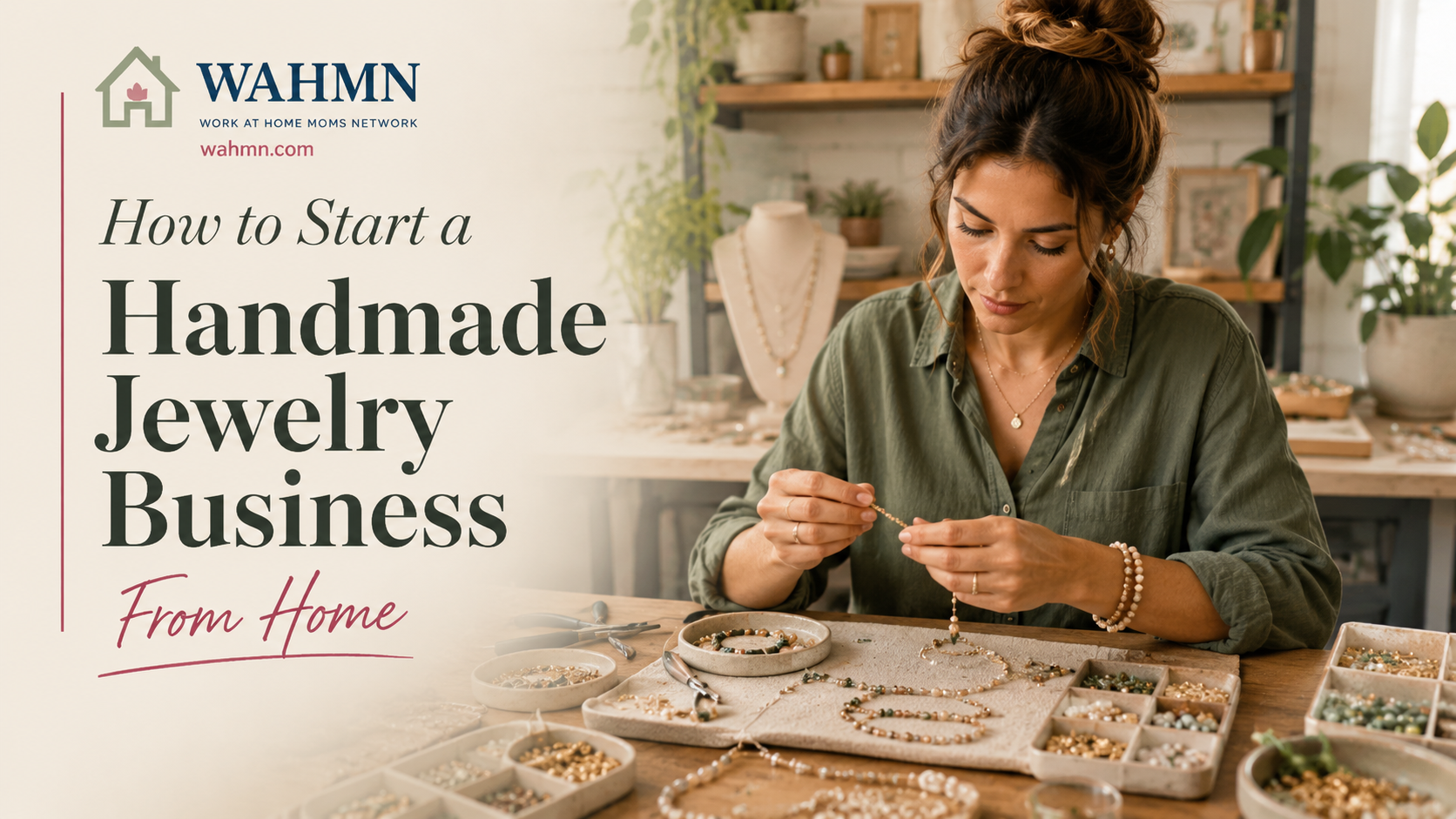
Setting up your home jewelry workspace is the first step toward turning your creative hobby into a professional venture. An organized area allows you to maintain consistent quality while speeding up your production time. You should prioritize a dedicated surface that stays clean and free from household clutter.
When you begin, it is wise to keep your handmade jewelry business startup costs low by focusing on the basics. You do not need expensive machinery to create high-quality pieces. Start with a sturdy table and a comfortable chair to ensure you can work for long periods without strain.
Selecting the right handmade jewelry business tools is essential for professional results. You should invest in high-quality pliers, wire cutters, and a reliable measuring tool. These items form the core of your kit and will see the most use during your daily production cycles.
As your skills grow, you can gradually add specialized jewelry-making tools to your collection. These upgrades might include a jeweler’s saw, a bench pin, or a polishing motor. Always wait until you have mastered the basic techniques before spending money on advanced equipment.
Proper storage for your jewelry supplies is just as important as the tools themselves. Use clear bins or drawer organizers to keep beads, wires, and findings separated by type or color. This simple habit prevents loss and helps you find exactly what you need in seconds.
Good lighting is a non-negotiable requirement for any jewelry maker. A bright LED desk lamp with adjustable arms will help you see fine details and prevent eye fatigue. Proper illumination ensures that your finished products meet the high standards your customers expect.
| Category | Essential Starter Items | Professional Upgrades |
|---|---|---|
| Work Surface | Sturdy desk or table | Adjustable jeweler’s bench |
| Hand Tools | Basic pliers and cutters | Precision micro-pliers |
| Lighting | Standard LED desk lamp | Magnifying daylight lamp |
| Storage | Plastic tackle boxes | Modular drawer cabinets |
“Organization is the silent partner of creativity; a tidy workspace allows your best ideas to flourish without distraction.”
Safety, legal, labeling and professional requirements
Starting your creative journey requires more than just artistic talent; it demands a solid grasp of jewelry business legal requirements. Before you sell your first piece, you should research the specific business license for jewelry business regulations in your city and state. Many local governments also have zoning laws that dictate whether you can operate a manufacturing business from your home.
Prioritizing handmade jewelry safety is essential for building trust with your customers. You must be transparent about the materials used in your designs to prevent allergic reactions. Always disclose if your items contain nickel, lead, or other common allergens that might irritate sensitive skin. Welded bracelets have changed what this market pays, and a permanent jewelry business covers the equipment and the rules.
Proper jewelry labeling requirements help you stay compliant and keep your buyers informed. When selling in the United States, you should clearly state the metal content and gemstone types to avoid misleading your audience. Consider these key areas for your documentation:
- Material Disclosure: Clearly label precious metals like sterling silver or gold-filled components.
- Allergy Warnings: Provide clear information regarding potential skin irritants.
- Children’s Safety: If you create jewelry for kids, you must follow strict federal safety standards regarding small parts and toxic materials.
- Truthful Claims: Ensure all marketing descriptions accurately reflect the quality and origin of your supplies.
Protecting your assets is another critical aspect of running a professional shop. You should investigate product liability insurance to safeguard your business against potential claims. This coverage provides a safety net if a customer experiences an issue with a product you sold.
Please note that this information is for educational purposes and does not constitute legal advice. Because requirements vary significantly by state, city, and even your chosen selling channel, you should consult with a local professional or legal expert. Taking these steps early ensures your business remains compliant while you focus on growing your brand.
Create and test a minimum viable collection
Building a minimum viable product jewelry line is the smartest way to start your business. Instead of overwhelming yourself with dozens of designs, focus on a small, curated set of pieces. This approach allows you to refine your craft without the pressure of managing a massive inventory.
To begin, gather your essential handmade jewelry business tools. You need high-quality pliers, wire cutters, and specialized mandrels to ensure consistency across your pieces. Keep your workspace organized so you can replicate your designs accurately during the prototyping phase.
Once your prototypes are ready, it is time to test jewelry collection performance with real users. Ask friends or family to wear your pieces for several days to check for comfort and durability. Pay close attention to how the clasps hold up and whether the materials cause any skin irritation.
“Quality is not an act, it is a habit.”
Effective jewelry product validation relies on gathering honest feedback about your designs. Create a simple survey to track questions regarding sizing, appearance, and perceived value. This data helps you understand if your pricing aligns with what customers are willing to pay for your specific style.
After you collect this feedback, you can confidently expand your handmade collection. Use these insights to tweak your designs or remove items that do not resonate with your target audience. By starting small, you ensure that every piece you sell meets high standards of quality and style. Seasonal decor sells to the same craft-fair crowd, and a wreath making business makes an easy second table.
- Comfort: Does the piece feel heavy or irritating after hours of wear?
- Durability: Do the components stay secure during daily activities?
- Value: Does the design look and feel like a premium product?
Calculate real product cost
Calculating the real cost of your pieces prevents you from losing money on every sale. Many beginners focus only on the price of beads or wire, but this approach often leads to hidden losses. Understanding your handmade jewelry business startup costs is the first step toward building a brand that actually turns a profit.
A proper handmade jewelry cost calculation must account for every single penny spent. If you ignore small expenses, your margins will shrink until your business becomes a hobby that costs you money. You need a clear view of your financial reality to make smart decisions.
When you evaluate jewelry material costs, remember to include the “invisible” items. Findings like jump rings, clasps, and earring hooks add up quickly. You should also factor in a small percentage for waste, as mistakes during assembly are a normal part of the creative process.
Do not forget to include your labor cost handmade jewelry in the final tally. Your time has value, and you must pay yourself for the hours spent designing and assembling each piece. If you do not account for your own labor, you are essentially working for free.
Use a consistent product cost formula to keep your pricing strategy organized. This formula should combine your direct materials, packaging, labor, and a portion of your overhead expenses. The table below provides a simple framework to help you track these variables effectively.
| Cost Category | Description | Impact |
|---|---|---|
| Direct Materials | Beads, wire, gemstones | High |
| Findings & Packaging | Clasps, boxes, labels | Medium |
| Labor & Overhead | Time, tools, electricity | High |
| Fees & Shipping | Platform fees, supplies | Medium |
By tracking these numbers, you create a reliable foundation for your business. This level of detail ensures that every sale contributes to your growth rather than draining your resources. Precision in your math is the best way to ensure your creative passion remains a sustainable career.
Price and capacity
Setting the right price for your jewelry is the bridge between a hobby and a sustainable business. Effective handmade jewelry business pricing ensures that you cover your expenses while earning a fair wage for your time. If you underprice your work, you risk burnout and financial instability.
Learning how to price handmade jewelry involves more than just adding up material costs. You must account for your labor, overhead, and the desired profit margin. A professional price tag communicates the quality and value of your brand to potential customers.
“Price is what you pay. Value is what you get.”
A healthy handmade jewelry profit margin allows your business to grow and reinvest in better tools or marketing. When you calculate your retail price, consider the following structure to ensure long-term viability.
| Pricing Strategy | Calculation Method | Best Use Case |
|---|---|---|
| Retail Pricing | (Materials + Labor) x 2 | Direct-to-consumer sales |
| Wholesale Pricing | Retail Price x 0.5 | Selling to boutiques |
| Discounted Pricing | Retail Price x 0.8 | Seasonal promotions |
Beyond pricing, you must evaluate your jewelry production capacity to avoid overwhelming your schedule. It is easy to underestimate the time required for packaging, shipping, and customer service. Start by tracking how many pieces you can realistically finish in a single week without sacrificing quality.
When considering wholesale jewelry pricing, remember that you are selling in bulk at a lower margin. This strategy requires high-volume production capabilities to remain profitable. Always ensure your workspace and equipment can handle increased demand before committing to large wholesale orders.
Consistency is key when balancing your output with your pricing strategy. By knowing your limits, you protect your creative energy and keep your business running smoothly. Focus on sustainable growth rather than trying to do everything at once.
Where to sell
Choosing the right place to sell your jewelry is a major step for your new business. You do not need to be everywhere at once to succeed. In fact, focusing on one or two channels helps you find jewelry customers more effectively while keeping your costs low.
Many makers start with jewelry marketplaces like Etsy or Amazon Handmade. These platforms provide built-in traffic and high customer trust. However, you must account for listing fees and transaction costs that can impact your profit margins.
If you want full control over your brand, building a dedicated jewelry website using Shopify or Squarespace is a smart move. While this requires more setup effort, it allows you to own your customer list. You can also integrate social media jewelry sales directly into your site to drive traffic from platforms like Instagram or TikTok.
For those who prefer face-to-face interaction, craft fairs and local pop-up events offer a great way to build a loyal following. These events allow you to see how people react to your pieces in real time. You might also consider local retail partnerships, where a boutique displays your work for a commission.
| Channel | Setup Effort | Best For |
|---|---|---|
| Marketplaces | Low | Quick exposure |
| Own Website | High | Brand building |
| Craft Fairs | Medium | Local connections |
Ultimately, the best way to sell handmade jewelry online is to pick a platform that matches your current production capacity. Start small, test your results, and expand only when you feel ready. This steady approach ensures you stay profitable while you grow your brand.
Product photos, listing and customer expectations
When selling online, your photos and descriptions act as the primary sales team for your brand. High-quality handmade jewelry product photography is the most effective way to bridge the gap between a digital screen and a physical product. Potential buyers cannot touch your work, so your images must convey the texture, scale, and quality of every piece.
Effective jewelry listing optimization involves more than just uploading a few snapshots. You should use clear, descriptive titles that include the material, style, and primary use of the item. By incorporating relevant keywords into your titles and tags, you help the right customers find your shop amidst the competition.
Detailed jewelry descriptions are essential for building trust and reducing returns. Be sure to list the specific metals, gemstones, and findings used in your designs. Transparency is key; if a piece features natural variations or unique characteristics, mention this clearly so the buyer knows exactly what to expect.
Providing a comprehensive jewelry size guide is a simple way to prevent frustration. Use a ruler or a common object like a coin in your photos to show the true scale of earrings or pendants. When you manage customer expectations handmade products effectively, you minimize the risk of complaints regarding fit or size.
Finally, always be upfront about your processing times and shipping policies. Customers appreciate knowing when their order will ship and how it will be packaged. Clear communication regarding these logistics helps create a professional experience that encourages repeat business.
| Listing Element | Primary Benefit | Impact on Sales |
|---|---|---|
| High-Res Photos | Visual clarity | High |
| Detailed Materials | Builds trust | Medium |
| Size Reference | Reduces returns | High |
| Shipping Timeline | Sets expectations | Medium |
Production, fulfillment and customer service
Efficient production and fulfillment are the backbones of any thriving handmade jewelry shop. By establishing a clear workflow, you ensure that handmade jewelry fulfillment remains consistent even as your order volume grows. A structured approach allows you to spend more time designing while keeping your operations running smoothly.
Start by creating a standard routine for jewelry order processing. When a notification arrives, verify the details immediately and update your status in your shop dashboard. This simple habit prevents errors and keeps your customers informed about their package status from the very beginning.
Maintaining an organized handmade business inventory is essential for avoiding last-minute stress. Use a simple spreadsheet to track your raw materials and finished pieces. Set clear reorder points so you know exactly when to restock beads, wire, or findings before you run out during a busy season.
Your jewelry packaging serves as the final touchpoint for your brand. Use sturdy, branded boxes or padded mailers to ensure your items arrive in perfect condition. Adding a small, handwritten thank-you note can significantly improve the unboxing experience and encourage repeat purchases.
Excellent customer service handmade business practices build long-term loyalty. Be prompt and friendly when answering messages, and have a clear policy for returns or repairs ready to share. Providing a dependable experience helps you stand out in a competitive market while protecting your reputation.
- Quality Control: Inspect every piece for loose clasps or defects before packing.
- Shipping: Use tracked shipping services to provide peace of mind to your buyers.
- Follow-up: Send a polite message after delivery to ensure the customer is happy with their purchase.
Common mistakes and business risks
Every entrepreneur faces hurdles, and knowing how to avoid handmade jewelry business mistakes is vital for your success. While creativity drives your brand, you must balance your artistic vision with sound operational habits. Ignoring the administrative side of your craft often leads to burnout or financial loss.
Understanding jewelry business risks early allows you to build a resilient foundation. Many new makers struggle because they overlook simple handmade business mistakes to avoid during their first year. Common errors include underpricing your labor, neglecting basic bookkeeping, and making unsupported health claims about your materials.
Managing your stock effectively is another critical area. High inventory risk occurs when you purchase too many supplies before testing your market. Instead, start small and scale your production based on actual sales data to keep your cash flow healthy.
You should also be prepared for logistical challenges like jewelry returns or damaged goods. Establishing clear policies helps you maintain professional relationships with your customers. Always test your designs for durability and potential skin sensitivities to ensure high quality and safety.
Protecting your intellectual property is essential to avoid legal trouble. Never copy current trends without adding your own unique twist, as this can lead to copyright disputes. Relying on a single sales platform also creates a vulnerability; diversify your presence to protect your income stream.
| Risk Category | Potential Impact | Mitigation Strategy |
|---|---|---|
| Financial | Cash-flow shortages | Track all expenses daily |
| Operational | Inconsistent quality | Standardize your production |
| Legal | Intellectual property | Create original designs |
| Customer | Allergy complaints | Label materials clearly |
30-day test launch
A 30-day test launch provides the perfect framework to validate your jewelry business ideas without risking your life savings. By following a handmade jewelry business step by step approach, you can gather real data before scaling your operations. This controlled period allows you to observe how customers interact with your designs in a live environment.
Your 30-day jewelry business plan should focus on gathering actionable insights rather than just chasing vanity metrics like social media likes. You need to track specific performance indicators such as conversion rates, average order value, and the time required to fulfill each request. These numbers tell the true story of your brand’s potential in the competitive United States market.
Utilizing a jewelry business launch checklist helps you stay organized during this high-pressure month. Focus your energy on refining your prototypes, perfecting your photography, and ensuring your listing descriptions are clear. When you test launch handmade products, you gain the confidence needed to make informed decisions about future inventory and marketing investments.
Pay close attention to customer feedback during these four weeks. If a specific design receives many inquiries but few sales, you might need to adjust your pricing or improve your product photos. This iterative process is the hallmark of a successful entrepreneur who values data-driven growth over guesswork.
| Week | Primary Focus | Key Metric | Goal |
|---|---|---|---|
| Week 1 | Prototype Finalization | Production Time | Standardize quality |
| Week 2 | Listing & Photography | Click-through Rate | Optimize visibility |
| Week 3 | Promotion & Outreach | Inquiry Volume | Generate interest |
| Week 4 | Order Fulfillment | Conversion Rate | Validate demand |
At the end of the month, review your findings to determine if your current path is sustainable. If the results are positive, you can move forward with a clear strategy for long-term expansion. If the data suggests a need for change, you have saved yourself from the cost of a failed full-scale launch.
Growth path
Scaling your creative venture requires a shift from hobbyist thinking to a structured business mindset. To grow a handmade jewelry business effectively, you must rely on hard data rather than intuition alone. Analyze your sales reports to identify which designs perform best and focus your energy on those high-margin items.
Effective jewelry business marketing involves more than just posting photos on social media. You should start building an email list early to nurture relationships with your audience. By offering exclusive previews or loyalty discounts, you turn one-time buyers into repeat customers jewelry enthusiasts who support your brand for years.
As your demand increases, you will need to scale jewelry production without compromising the quality that defines your work. This might involve investing in better tools, batching your tasks, or even outsourcing specific repetitive processes. Always ensure that your operational capacity matches your current sales volume to avoid burnout.
Once your home studio is running at peak efficiency, you might consider wholesale handmade jewelry as a new revenue stream. Selling to local boutiques allows you to reach a wider audience while maintaining a steady flow of orders. Use the table below to evaluate which growth strategy aligns with your current business stage.
| Growth Strategy | Primary Goal | Effort Level | Expected Outcome |
|---|---|---|---|
| Product Expansion | Increase Variety | Medium | Higher Average Order |
| Email Marketing | Customer Retention | Low | Increased Repeat Sales |
| Wholesale Partnerships | Volume Growth | High | Consistent Revenue |
| Process Automation | Efficiency | Medium | Lower Unit Cost |
Remember that sustainable growth happens in stages. Listen to your customers and adjust your production schedule based on their feedback. By keeping your financial control tight and your quality high, you will build a brand that stands the test of time.
FAQs to answer
Launching a creative venture brings many inquiries. This handmade jewelry business FAQ covers the essentials to help you move forward with confidence.
Many makers ask if handmade jewelry is profitable. Success depends on your ability to manage material costs, set competitive prices, and maintain steady demand. Profit margins grow when you track every expense and refine your production speed.
Beginners often wonder how much does it cost to start a jewelry business. You can begin with a modest budget by focusing on essential tools and small batches of materials. Smart spending at the start prevents unnecessary financial strain.
Addressing jewelry business from home questions requires a focus on organization and legal compliance. Keep your workspace tidy and ensure you follow local regulations for your specific craft. Consistent effort and testing remain the best ways to build a sustainable brand.
Seek out beginner jewelry business advice to stay focused on your goals. Your path to growth relies on your commitment to quality and customer service. Start your journey today by applying these principles to your unique designs.
FAQ
How much are the typical handmade jewelry business startup costs for a total beginner?
Is it actually profitable to start a handmade jewelry business step by step from home?
What are the most common handmade jewelry business mistakes to avoid?
Which selling platforms are best for reaching customers in the United States?
How do I handle handmade jewelry business pricing/tools when I’m just starting out?
Do I need a special license to sell jewelry from my home?
How can I ensure my jewelry stands out in a crowded market?
Keep reading on WAHMN
More articles in this category, browse the full article library, or explore our business tools and learning paths.
Handmade pricing is the hardest part, especially when your own hours go uncounted. The WAHMN Financial Calculator puts a real number on each piece, and Business Launcher covers listings, launches and repeat buyers.