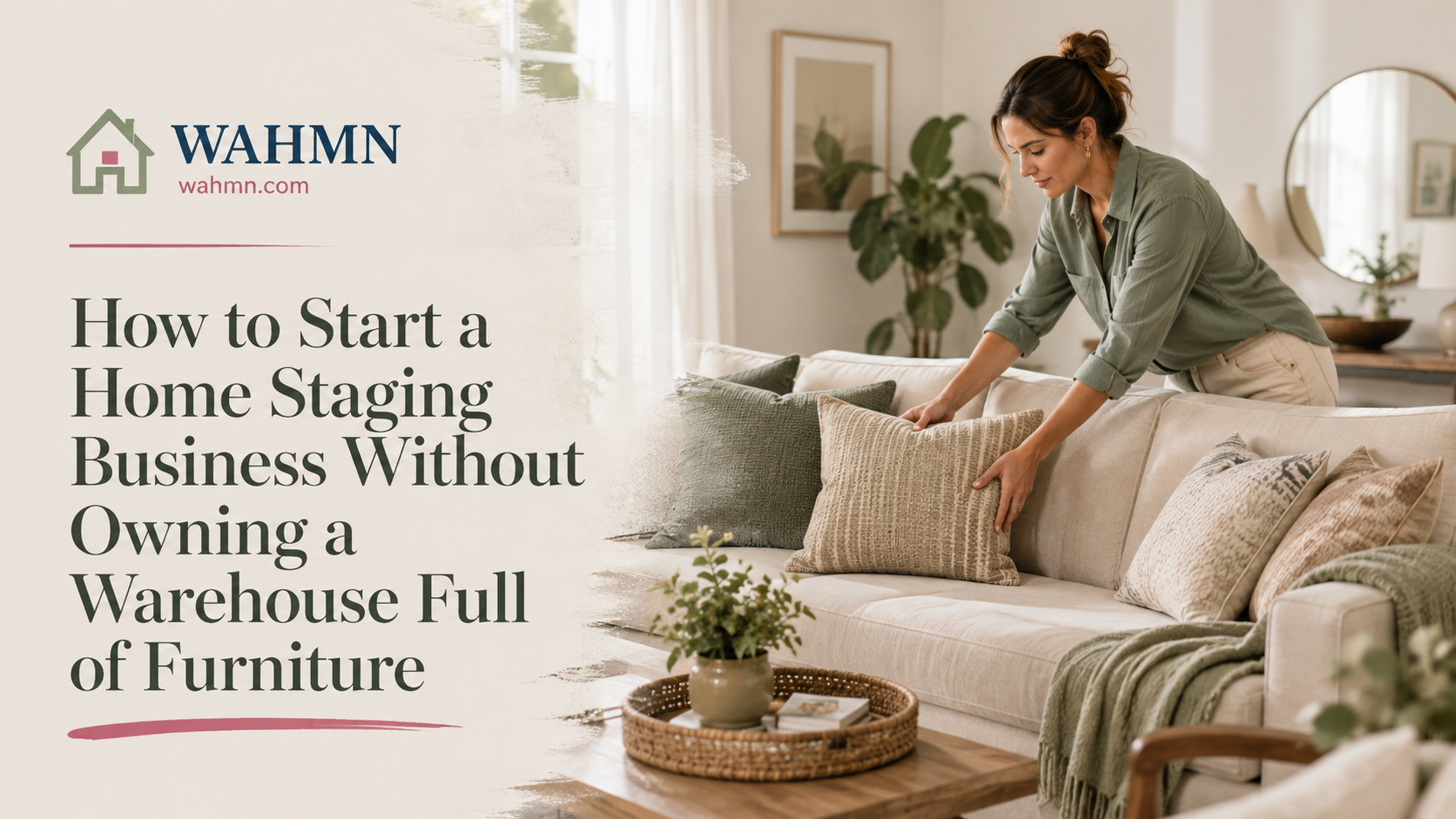
How to Start a Home Staging Business Without Owning a Warehouse Full of Furniture
In this article
- Introduction: explain the business model plainly
- What you can sell
- Who this business fits, and who should skip it
- Skills to learn before charging
- Minimum viable tools and startup setup
- Legal, insurance, safety, and professional boundaries
- Create a starter offer
- How to price the work
- How to get the first customers
- Client workflow from inquiry to completion
- Common mistakes and how to prevent them
- A practical 30-day launch plan
Many aspiring entrepreneurs dream of transforming properties into stunning showcases. However, the high cost of purchasing and storing large collections of decor often feels like a major barrier. You can successfully launch a home staging business without inventory by leveraging smart partnerships and rental services.
This efficient model allows you to bypass the heavy overhead of a private warehouse. Instead, you focus on building relationships with local suppliers and rental companies to source high-quality pieces on demand. By adopting these organized service systems, you minimize financial risk while maintaining a professional edge in the competitive United States market.
In this guide, we will walk you through the essential steps to get started. We cover everything from selecting your service packages and setting profitable prices to finding your first clients. You will learn how to build a repeatable operation that scales as your reputation grows, all while keeping your startup costs low and your creative freedom high.
Key Takeaways
- Launch your venture by utilizing rental partnerships instead of buying expensive furniture.
- Reduce financial risk by eliminating the need for a costly storage warehouse.
- Focus on building strong relationships with local suppliers to access diverse decor styles.
- Implement organized service systems to streamline your daily operations and client management.
- Scale your professional services gradually as you secure more projects and build your brand.
Introduction: explain the business model plainly
You can launch a successful home staging business without inventory for beginners by focusing on your design eye rather than physical assets. Instead of buying expensive furniture, you sell your professional expertise, project management skills, and creative vision. This approach allows you to transform vacant or occupied properties into market-ready homes without the heavy overhead of a warehouse.
The core of this model relies on building strong partnerships with local rental companies and furniture suppliers. By acting as a curator, you gain access to high-quality pieces that you can rent specifically for each project. This smart system ensures that you always have the right style for the home without the burden of storage, maintenance, or depreciation costs.
Understanding the home staging business without inventory step by step is essential for maintaining a smooth operation. Your role involves coordinating the entire process from the initial consultation to the final reveal. The typical workflow follows a clear path:
- Property Assessment: You evaluate the space to determine the best design strategy.
- Staging Plan: You create a layout and select pieces that highlight the home’s best features.
- Rental Coordination: You source items from partners and schedule delivery.
- Installation and Removal: You oversee the setup and ensure everything is packed away once the property sells.
While this model significantly reduces your startup costs, it does not eliminate all responsibilities. You remain accountable for meticulous scheduling, managing client expectations, and ensuring proper insurance coverage for the items on-site. Success in this field requires strong communication and the ability to handle logistics with precision, even when you do not own the furniture yourself.
What you can sell
Launching a home staging business without inventory is entirely possible with the right service menu. You do not need to own a warehouse full of sofas and dining tables to help homeowners sell their properties faster. Instead, your primary product is your professional design eye and your ability to manage logistics.
By focusing on service-based offerings, you provide immense value to real estate agents and sellers. You can curate beautiful spaces by combining your design recommendations with rented furniture, artwork, and accessories. This approach allows you to scale your business without the heavy overhead costs of storage or asset maintenance.
When you operate a home staging business without inventory, you act as a creative director for the property. You select specific pieces that fit the home’s architecture and target buyer demographic. Your clients pay for your expertise in creating a marketable presentation that stands out in online listings.
Consider offering these core services to build a sustainable income stream:
- Design Consultations: Provide actionable advice for sellers to improve their home’s appeal.
- Occupied Staging Edits: Rearrange existing furniture and add rented accents to refresh a lived-in home.
- Vacant-Home Coordination: Manage the rental and placement of furniture packages from third-party vendors.
- Listing Preparation: Oversee the final touches, including lighting, linens, and decor placement.
Beyond the core staging work, you can increase your revenue with specialized add-ons. These services ensure the property is ready for professional photography and open houses. You might offer guidance on decluttering, coordinate the installation of rented items, or manage the removal process once the home sells.
Ultimately, your success in a home staging business without inventory relies on your ability to deliver a polished, high-end look through reliable partnerships. By focusing on the experience and the visual outcome, you provide a service that is both flexible and highly profitable. You are selling a vision that helps buyers fall in love with a home the moment they walk through the door.
Who this business fits, and who should skip it
If you are wondering if you have the right personality to launch a home staging business without inventory for beginners, this guide will help you decide. This specific model relies on your ability to coordinate assets rather than owning them. It is a perfect fit for those who prefer to keep overhead low while focusing on design and logistics.
The ideal candidate for this business is someone who is naturally organized and visually observant. You must be comfortable communicating clearly with homeowners, real estate agents, rental vendors, and delivery teams. Success here is built on relationships, not just a warehouse full of sofas.
You will likely thrive in this role if you possess the following traits:
- Strong project management skills to handle multiple vendor timelines.
- A keen eye for interior design and spatial flow.
- The ability to remain calm when delivery schedules shift unexpectedly.
- A proactive approach to client communication and expectation management.
However, this path is not for everyone. If you dislike sales, constant scheduling, or the physical demands of property work, you may find this business frustrating. Even when you operate a home staging business without inventory for beginners, you are still responsible for the final look and the client’s satisfaction.
There are times when a traditional warehouse-based model is actually more appropriate. If you have access to substantial capital, secure storage space, and a high volume of recurring staging projects, owning your inventory might offer better long-term margins. Choosing the right path depends on your current resources and your desire to manage physical assets versus managing service-based partnerships.
Skills to learn before charging
Building a home staging business without inventory requires a unique set of skills that go beyond simple decorating. You must master the core principles of design to transform empty spaces into inviting homes that sell quickly.
Start by focusing on room composition, scale, and color balance. Understanding how lighting affects a room and creating a natural visual flow are essential for making a property feel spacious and welcoming. You should also learn the art of decluttering, as this is often the most impactful change you can make for a seller.
Because you are not storing furniture, you must become an expert at selecting rental pieces that fit the architecture and dimensions of a home. You need to understand how to:
- Measure rooms accurately to ensure furniture fits perfectly.
- Create functional furniture layouts that highlight the best features of a space.
- Write clear scopes of work that define your responsibilities.
- Communicate limitations regarding budget and rental availability to clients.
- Document the condition of a property before and after your work.
It is also vital to understand how listing photos influence buyer perception. Since most buyers view homes online first, your staging must look visually appealing through a camera lens. Practice by taking photos of your own home or volunteer projects to see how different angles change the look of a room.
Before you launch your home staging business without inventory, gain confidence through mock consultations and sample floor plans. Building a portfolio with these practice projects will help you prove your value to potential clients. Take your time to refine these skills, as your reputation depends on the quality of your results.
Minimum viable tools and startup setup
Launching a home staging business without inventory startup costs requires a strategic shift in focus. Instead of investing capital into bulky furniture or warehouse leases, you should prioritize building a robust digital infrastructure. This lean approach allows you to remain agile while providing high-value design consultations.
To succeed, you must equip yourself with the right home staging business without inventory tools. Your primary kit should include a high-quality laser measuring tool for precision, a smartphone with a professional-grade camera, and a reliable laptop for design software. These items form the backbone of your daily operations and ensure you can capture property details accurately.
Efficiency is the hallmark of a successful consultant. You should implement dedicated software for scheduling appointments, managing invoices, and sending professional proposal templates. Reliable transportation is also essential, as you will frequently travel to client sites to assess spaces and coordinate with rental partners.
Operating a home staging business without inventory relies heavily on your ability to organize information. You should maintain a set of standardized documents to keep every project on track. Consider using the following essential templates:
- Room-measurement sheet: To record exact dimensions for furniture placement.
- Property-condition checklist: To document the state of the home before and after staging.
- Rental-order tracker: To manage items sourced from third-party vendors.
- Installation and removal checklists: To ensure every detail is handled during the staging process.
By leveraging partnerships with local rental companies, you keep your overhead significantly lower than traditional firms. Smart systems allow you to scale your business without the burden of physical storage. Focus your working capital on marketing and professional development to ensure long-term growth in this competitive industry.
Legal, insurance, safety, and professional boundaries
Running a home staging business without inventory requires a unique set of legal and safety precautions. While you avoid the costs of owning furniture, you still face significant risks when working in client homes. Establishing a solid legal framework protects your reputation and your bottom line.
Start by registering your business according to your state’s requirements. You should investigate local licensing laws and understand your specific sales-tax obligations. If you hire help, ensure you follow federal and state guidelines regarding independent contractors versus employees.
Insurance is not optional in this industry. You need to protect yourself against accidents that might occur while you are on-site. Consider the following essential coverage types:
- General Liability Insurance: Protects you if someone is injured or property is damaged during your work.
- Commercial Auto Insurance: Necessary if you use your vehicle to transport staging accessories.
- Workers’ Compensation: Often required by law if you hire assistants or contractors.
- Rental Coverage: Ensures that any furniture you rent for a client is protected against damage or theft.
Clear professional boundaries are vital when operating a home staging business without inventory. You must define exactly what your services include to avoid scope creep. Always use a written agreement that outlines payment schedules, cancellation policies, and access requirements for the property.
Never attempt to perform repairs or move heavy structural objects yourself. You should also establish strict rules regarding the handling of client valuables and photographing interiors for your portfolio. Always obtain written permission before sharing images of a client’s home online.
Finally, remember that your role is to stage, not to represent the homeowner in real estate transactions. Keep your advice focused on design and aesthetics to avoid legal conflicts. A well-drafted contract that clearly separates staging services from real estate representation will keep your professional relationships healthy and productive.
Create a starter offer
Launching your service requires a clear, simple offer that solves a specific problem for homeowners. When you operate a home staging business without inventory, your primary value lies in your design expertise and project management skills. Focus your initial efforts on one specific niche, such as preparing a vacant property for professional photography or refreshing an occupied home before it hits the market.
Your starter package should be easy for clients to understand. Define the scope by specifying the number of rooms included, the duration of the consultation, and the level of furniture coordination provided. Clearly outline your installation support, the expected rental duration for any sourced items, and the final removal process. Providing these details upfront builds immediate trust with your clients.
Avoid overwhelming potential customers with a long, complex service menu. Instead, present one core package that covers the essentials and offer a small number of transparent upgrades. This approach keeps your sales process streamlined and professional.
When calculating your home staging business without inventory pricing, always separate your professional design fees from pass-through costs. Pass-through expenses typically include furniture rental, delivery charges, labor, and any necessary extension fees. By keeping these items distinct, you maintain full transparency and protect your profit margins from unexpected fluctuations.
| Service Component | Core Starter Package | Premium Upgrade |
|---|---|---|
| Design Consultation | Included (1 Hour) | Included (3 Hours) |
| Furniture Coordination | Up to 3 Rooms | Full Home Coverage |
| Installation Support | Standard Setup | White-Glove Styling |
| Rental Duration | 30 Days | 60 Days |
| Client Deliverables | Digital Staging Plan | Full Project Management |
How to price the work
Mastering your pricing strategy ensures your business remains profitable from day one. When you operate a home staging business without inventory pricing, you must shift your focus from selling furniture to selling your professional expertise and project management skills.
Your total fee should reflect several distinct components. You are charging for your design vision, the time spent coordinating with rental companies, and the labor required to install pieces. Do not forget to account for travel, administrative tasks, and the time spent on site visits.
Even though you avoid the heavy burden of owning furniture, you still face operational expenses. Keeping your home staging business without inventory startup costs low is a major advantage, but your pricing must still cover essential overhead. You need to factor in the costs of professional insurance, design software, marketing efforts, and self-employment taxes.
Never undervalue your time. Many beginners fail to account for unpaid consultation hours or the administrative work required to manage a project. To stay profitable, calculate a minimum project price that covers your base expenses before you even consider your profit margin.
Consider these essential elements when building your quotes:
- Deposits: Always require a deposit before ordering rental furniture to protect your cash flow.
- Additional Fees: Clearly outline costs for rush work, extra rooms, or difficult property access.
- Extensions: Charge a set fee for every week a client needs to extend the staging period.
- Repeated Visits: Include a fee for any extra trips required due to client changes or maintenance.
Avoid the trap of simply copying a competitor’s package price. Instead, conduct thorough local market research by reviewing service pages and speaking directly with real estate professionals. By understanding the specific needs of your local market, you can set rates that reflect the true value of your services while maintaining a healthy bottom line.
How to get the first customers
Your journey to your first staging project begins with a simple, proactive outreach plan. When you operate a home staging business without inventory, your primary asset is your eye for design and your ability to solve problems for sellers. You do not need a warehouse to prove your value to the local market.
Start by identifying your ideal service area and the specific property types you want to style. Focus your energy on building relationships with professionals who already work with homeowners preparing to sell. These partners include real estate agents, professional photographers, property investors, and local builders.
Demonstrating your capability is essential when you are just starting out. You can build trust by creating a concise portfolio that showcases your design aesthetic. Even if you have not staged a home for a client yet, use your own home or a friend’s space to create high-quality before-and-after photos and detailed room plans.
To gain traction, implement a consistent outreach strategy rather than waiting for a website to bring you leads. Consider these effective methods to grow your home staging business without inventory:
- Direct Outreach: Send personalized emails or handwritten notes to local real estate agents introducing your services.
- Networking: Attend local chamber of commerce meetings or real estate open houses to meet potential referral partners.
- Educational Content: Share simple tips on social media about how small design changes can increase a home’s market value.
- Referral Partnerships: Offer a small incentive or a simple thank-you gift to those who refer their first clients to you.
Consistency is the secret to success in the early stages. Commit to a measurable weekly goal, such as reaching out to five new agents or attending two local networking events. By tracking your activity, you ensure that you are constantly moving toward your first paid project.
Finally, remember that your starter offer should be clear and easy to understand. When you present your services, emphasize how your home staging business without inventory saves clients time and money while maximizing their property’s appeal. Keep your follow-up systems organized so that every conversation has a clear next step.
Client workflow from inquiry to completion
Managing a home staging business without inventory step by step requires a precise, repeatable workflow to keep clients happy. By standardizing your process, you ensure that every project remains profitable and stress-free. Consistency is the foundation of a professional reputation in the real estate market.
Your journey begins with an initial inquiry and qualification phase. Use digital forms to gather property details and photos before you ever step foot on-site. This preparation allows you to assess the scope of work and determine if the project aligns with your business model.
Once the consultation is complete, send a clear proposal that outlines the rental selection and installation timeline. Securing a deposit is a critical milestone that confirms the client’s commitment. Effective communication at this stage prevents misunderstandings regarding budget and expectations.
Utilizing the right home staging business without inventory tools is essential for staying organized. Shared calendars help you track delivery windows, while digital checklists ensure no detail is overlooked during the installation process. You should also maintain a dedicated photo folder for every project to track progress and document the property condition.
Before any furniture arrives, perform a thorough property-condition record. This step protects you from liability by documenting existing damage to walls or floors. After the final placement, conduct a walkthrough to ensure everything is perfect for photography. This quality control phase is vital for maintaining high standards.
The following table outlines the key milestones in your project lifecycle to help you stay on track:
| Project Phase | Primary Action | Key Tool |
|---|---|---|
| Qualification | Verify client needs | Digital Intake Form |
| Planning | Select rental items | Rental-Order Tracker |
| Execution | Install and style | Project Checklist |
| Completion | Final walkthrough | Condition Report |
Clear communication points are necessary throughout the project. Always notify the homeowner or agent when items are scheduled for delivery and when they must be approved. Following this home staging business without inventory step by step guide ensures that you remain professional and efficient. By leveraging modern home staging business without inventory tools, you can scale your operations while keeping your overhead low and your service quality high.
Common mistakes and how to prevent them
Launching a home staging business without inventory mistakes is a goal for every entrepreneur, but the path is often filled with hidden traps. When you do not own the furniture, you rely heavily on coordination and logistics. A single oversight in communication can quickly turn a profitable project into a stressful headache.
“An ounce of prevention is worth a pound of cure.”
Many new stagers fail by underpricing the time spent coordinating rentals or by ordering items before receiving a client deposit. You must treat your time as a billable asset. Always secure payment upfront to ensure you are never left covering rental costs out of your own pocket.
Physical site issues are another frequent source of trouble. Failing to measure doorways or ignoring building access restrictions can lead to a failed delivery on staging day. You should always perform a site visit to document property conditions with high-quality photos before finalizing any plans.
To protect your reputation and your bottom line, implement these essential safeguards:
- Written Scopes: Never rely on verbal agreements; always use a signed contract.
- Measurement Protocols: Create a standard checklist for every property to avoid delivery surprises.
- Confirmation Emails: Send written reminders to vendors to verify rental dates and times.
- Contingency Time: Build extra hours into your schedule to handle unexpected delays.
- Removal Documentation: Keep a clear record of the property state before and after furniture removal.
Finally, avoid the temptation to accept every project that comes your way. If the budget, timeline, or client expectations do not align with your current capacity, it is better to walk away. Focusing on quality over quantity is the best way to avoid home staging business without inventory mistakes and build a sustainable, long-term brand.
A practical 30-day launch plan
Starting a home staging business without inventory for beginners is an exciting way to enter the real estate market. By focusing on design expertise rather than physical assets, you keep your overhead low and your flexibility high. This 30-day plan helps you move from a simple idea to your first paying client.
The first week focuses on your foundation. You should define your service area, register your business, and secure essential liability insurance. Researching local rental providers is also vital during this phase, as these partners will supply the furniture you need for future projects.
Following a home staging business without inventory step by step ensures you do not miss critical details. Use the table below to organize your tasks and maintain momentum throughout your first month.
| Week | Primary Focus | Key Goal |
|---|---|---|
| Week 1 | Legal & Research | Business registration and insurance |
| Week 2 | Skills & Portfolio | Practice staging and document results |
| Week 3 | Offers & Pricing | Finalize service packages and rates |
| Week 4 | Outreach & Sales | Contact realtors and secure leads |
During the second and third weeks, prioritize your portfolio. You can stage your own home or offer a free consultation to a friend to build visual proof of your talent. This is the perfect time to test your workflow and ensure your pricing covers your time and travel expenses.
Managing your home staging business without inventory startup costs requires discipline. Focus your budget on professional marketing materials, a reliable transportation plan, and essential staging tools like levelers or cleaning supplies. By avoiding large furniture purchases, you protect your cash flow and allow your business to grow organically.
Finally, spend your fourth week on active outreach. Reach out to local real estate agents and explain how your staging services help their listings sell faster. Consistency is your greatest asset during these final days, so keep your communication professional and your value proposition clear.
Growth path
Once you master the basics, you can evolve your home staging business without inventory into a streamlined operation. The journey begins with solo consultations and moves toward coordinated rental projects. As you gain traction, you will naturally attract repeat agent accounts and develop standardized room packages that save time.
Building a successful home staging business without inventory tools requires a focus on vendor relationships and documented procedures. You can preserve your low-overhead foundation while slowly adding automation to your workflow. Eventually, you might choose to subcontract installation tasks to scale your capacity further.
Purchasing selected pieces can improve your profit margins and brand consistency, but you must remain cautious. Only invest in items if you have a clear plan for storage, maintenance, and high utilization. Avoid the trap of accumulating inventory that sits idle and drains your cash flow.
Tracking your performance is essential for long-term success. Use the following metrics to evaluate your growth and identify areas for improvement:
| Metric | Purpose | Target |
|---|---|---|
| Conversion Rate | Measures sales effectiveness | Above 30% |
| Project Profitability | Tracks net earnings per job | 20% minimum |
| Repeat-Client Rate | Indicates brand loyalty | Consistent growth |
| Days Outstanding | Monitors cash flow speed | Under 45 days |
By monitoring these operational metrics, you ensure that every step of your expansion remains profitable. Focus on high-value projects and maintain strong relationships with your rental partners. This disciplined approach allows you to scale effectively while keeping your business model lean and agile.
FAQs to answer
Many aspiring stagers wonder if they can truly succeed without owning a warehouse. You can build a profitable career by focusing on design expertise and project management rather than asset ownership. Clients pay for your vision, your ability to source furniture from partners like Cort Furniture, and your project coordination skills.
Clear communication prevents common home staging business without inventory mistakes. Always outline that your proposal covers professional design fees, while third-party rental and delivery costs remain separate line items. This transparent approach to home staging business without inventory pricing builds trust with homeowners and real estate agents.
You must address liability by requiring deposits and clear contracts regarding damage responsibility. Insurance policies protect your business during the installation process in occupied or vacant homes. Rental extensions and cancellation policies should be standard in every agreement to protect your revenue streams.
A warehouse is not a requirement for your early growth. You scale by refining your systems, building strong relationships with local rental companies, and maintaining consistent client communication. Success relies on your ability to manage logistics and deliver high-quality results on every project. Start your journey today by focusing on your design talent and reliable vendor partnerships.
FAQ
Can I really run a home staging business without inventory for beginners?
What are the typical home staging business without inventory startup costs?
What exactly am I charging for if I don’t own the furniture?
What is the home staging business without inventory step by step process for a vacant home?
What are some common home staging business without inventory mistakes I should avoid?
How do I handle damage to the rented furniture?
Can I stage occupied homes without owning a warehouse?
What happens if a house stays on the market longer than the initial rental period?
Will I eventually need a warehouse to be successful?
Keep reading on WAHMN
More articles in this category, browse the full article library, or explore our business tools and learning paths.
Staging fees have to cover travel and hours on site. The WAHMN Financial Calculator works that out, and Business Launcher covers proposals, agents and getting booked.