How to Batch-Create Social Media Graphics With AI
In this article
- Introduction: show the difference between "generated" and "usable"
- Gather the source material before prompting
- Choose the smallest workable production stack
- Build the creative brief
- Production workflow
- How to get better output from AI
- Quality-control checklist
- Rights, disclosure and ethical boundaries
- How to organize and reuse the work
- Measure whether the output is actually useful
- Common mistakes
- FAQs to answer
Managing a digital presence often feels like a race against the clock. You need fresh visuals daily, but finding the time for high-quality social media graphic design is a constant challenge for busy teams.
Fortunately, you can now batch create social media graphics with AI to streamline your workflow. This modern approach helps you produce professional assets in minutes rather than hours.
Using smart automation allows for efficient batch content creation without sacrificing your unique style. By leveraging AI social media graphics, you ensure your brand remains consistent across every platform. This guide shows you how to balance speed with the precision needed for readable, perfectly sized, and ready-to-publish posts.
Key Takeaways
- Learn to save hours by automating repetitive design tasks.
- Maintain strict brand consistency across all your digital channels.
- Understand the difference between raw generation and polished, professional output.
- Discover tools that ensure your images are perfectly sized for every platform.
- Master the workflow to move from concept to published post faster than ever.
Introduction: show the difference between “generated” and “usable”
There is a massive gap between a raw AI output and a professional social media graphic. When you decide to batch create social media graphics with AI, it is easy to assume that every image the software produces is ready for your feed. However, most AI outputs are merely drafts that require further refinement.
Learning to batch create social media graphics with AI for beginners requires a shift in mindset. You must view the initial output as a starting point rather than a finished product. If you post raw images without review, you risk damaging your brand’s professional reputation.
To ensure your content performs well, you must distinguish between raw files and usable AI-generated graphics. A graphic is only truly usable if it aligns with your specific marketing goals and technical requirements. Consider these essential factors before you hit the publish button:
- Brand Consistency: Does the image follow your established color palette and visual style?
- Platform Optimization: Are the dimensions and aspect ratios correct for the intended social network?
- Legibility: Is the text clear, and does the design provide enough contrast for mobile users?
- Accuracy: Do the claims or visual elements accurately represent your product or service?
- Call to Action: Is there a clear, logical next step for the viewer to take?
High-quality AI-generated social media posts should do more than just fill space. They must support your core message while saving you time in the production process. By applying these strict quality standards, you transform simple AI drafts into effective marketing assets that drive real engagement.
Gather the source material before prompting
Successful AI design begins long before you type your first prompt into the interface. If you want to batch create social media graphics with AI step by step, you must first build a solid foundation. Jumping into a tool without a plan often leads to frustration and wasted time.
Collecting your source material for AI graphics is the best way to ensure consistency across your feed. When you have your assets ready, you stop the AI from guessing your brand identity. This preparation significantly reduces the risk of invented facts or strange design choices.
“Preparation is the key to success in any creative endeavor, especially when working with machine learning tools that rely on your input to define quality.”
A structured AI prompting workflow requires you to have specific files organized in one folder. By keeping your resources accessible, you avoid the need for constant prompt revisions. This approach allows you to focus on creativity rather than fixing preventable errors.
Before you open your preferred AI tool, make sure you have gathered these essential brand assets for social media:
- Approved brand copy and messaging guidelines.
- High-resolution logos and vector files.
- Defined color palettes and hex codes.
- Licensed fonts and typography styles.
- Product images and current campaign details.
Organizing these items helps you maintain a professional look while scaling your content production. You will find that your output becomes much more polished when the AI has clear boundaries to follow. Efficiency is the ultimate goal when you streamline your creative process.
Choose the smallest workable production stack
Building a high-performance design stack does not require a massive budget. Many creators fall into the trap of subscribing to every new platform they see, which only adds complexity to their workflow. Instead, focus on batch create social media graphics with AI startup costs that remain low by selecting only the essential components.
When evaluating batch create social media graphics with AI pricing, look for platforms that offer a clear path from free trials to scalable paid tiers. You should prioritize tools that provide commercial rights and flexible export options. Avoid software that locks your work behind restrictive paywalls or limits your ability to collaborate with a team.
The most effective batch create social media graphics with AI tools usually consist of four pillars: an image generator, a design editor, a cloud storage system, and a scheduling platform. By limiting your stack to these four categories, you prevent “tool fatigue” and keep your monthly overhead manageable.
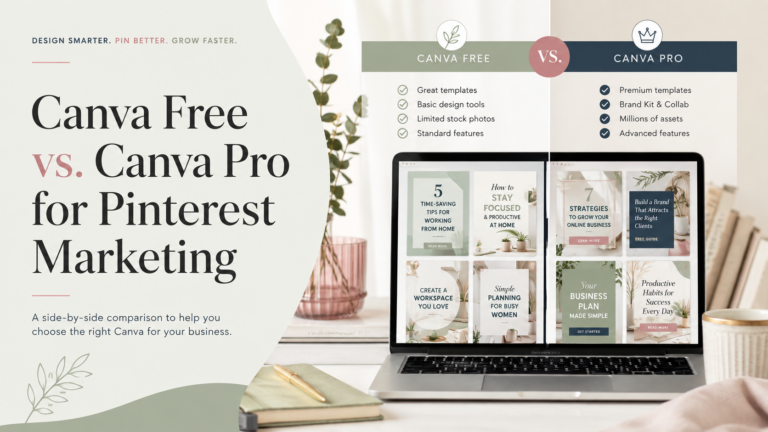
Modern AI graphic design tools often integrate these functions into a single interface. For example, platforms like Canva or Adobe Express combine generation, editing, and scheduling in one place. This consolidation is often the best way to reduce your total software spend.
Selecting the right social media design software depends on your specific production bottleneck. If you struggle with image quality, invest in a high-end generator. If you struggle with consistency, prioritize a platform with strong brand kit features.
| Tool Category | Key Feature | Pricing Model |
|---|---|---|
| AI Generator | High-fidelity output | Usage-based credits |
| Design Editor | Brand consistency | Monthly subscription |
| Scheduler | Automated publishing | Tiered per account |
Remember, the goal is to solve your current production hurdles. Do not collect unnecessary applications that complicate your day-to-day tasks. A lean stack is always more sustainable than a bloated one.
Build the creative brief
A clear AI creative brief acts as the blueprint for your AI-generated content. When you decide to batch create social media graphics with AI for beginners, having a written plan prevents the tool from producing random, unusable results. It serves as a single source of truth that keeps your output aligned with your goals.
Using a shared document ensures brand consistency across every asset you generate. Without these guardrails, AI models often drift into styles that do not match your company identity. By making your brand rules explicit before you start, you save hours of manual editing later.
To build an effective social media content brief, you should include specific details that guide the AI. Think of this as a checklist that defines the boundaries of your project. Include the following elements in your document:
- Target Audience: Who are you trying to reach with this campaign?
- Objective: Are you driving clicks, brand awareness, or sales?
- Platform and Format: Define the aspect ratios for Instagram, LinkedIn, or X.
- Visual Direction: Describe the color palette, lighting, and artistic style.
- Required Text: List the exact copy or slogans that must appear on the graphic.
- Restrictions: Note what the AI should avoid, such as specific fonts or clashing colors.
Once your brief is ready, you can translate these requirements into high-quality graphic design prompts. This structured approach transforms your workflow from a guessing game into a repeatable, professional process. You will find that your AI output becomes much more reliable when it follows a strict set of instructions.
Production workflow
You can transform your creative output by following a structured AI social media production workflow. When you batch create social media graphics with AI, you move away from reactive posting toward a proactive strategy. This approach ensures that every visual asset aligns with your brand identity while saving hours of manual labor. Once batching feels routine, the harder problem is looking consistent everywhere you post, which is what building a full brand image library with AI is for.
To batch create social media graphics with AI step by step, start by defining your content batch. Group your posts by theme, campaign, or platform to ensure the AI understands the context of your request. Once your themes are set, prepare your inputs by gathering specific brand guidelines, color palettes, and copy snippets.
The next phase involves generating concepts and selecting the best directions for your brand. Use a tracking sheet to monitor every graphic, ensuring each file remains connected to its specific message, platform, and approval owner. Consistent naming conventions are vital here to prevent file clutter and confusion during the final export phase.
Effective batch graphic creation relies on a clean review process. Route your assets through a clear approval chain before final publication to maintain high standards. By organizing your workflow, you ensure that your social media content batching remains efficient and professional.
| Workflow Stage | Primary Action | Goal |
|---|---|---|
| Define Batch | Group by theme | Contextual clarity |
| Generate | Run AI prompts | Concept variety |
| Review | Check against brief | Quality assurance |
| Export | Apply naming rules | Asset organization |
How to get better output from AI
If you want to batch create social media graphics with AI tools, you must first learn how to talk to the machine effectively. Many users struggle because they provide vague instructions that leave too much room for interpretation. By being specific about your needs, you can guide the software toward a much more professional result.
To craft effective AI image prompts, you should define the subject, composition, and mood clearly. Mention the color palette, the intended audience, and the specific aspect ratio required for your platform. You should also list any exclusions to prevent the AI from adding unwanted elements to your design.
You can improve AI-generated graphics by separating your visual concepts from your text requirements. Most current image generators struggle with long copy, logos, or specific numbers. It is often better to generate the base image first and then add your text using a standard design platform like Canva or Adobe Express. Images inside posts follow slightly different rules, set out in creating blog images with AI.
Mastering prompt engineering for social media involves a process of constant iteration. Try changing only one variable at a time, such as the lighting or the camera angle, to see how it affects the final look. Using reference assets or style guides can also help the AI understand the specific aesthetic you want to achieve.
Always ask the tool to generate multiple visual directions before you commit to a single path. This allows you to compare different styles and pick the strongest option for your brand. High-quality AI design output is rarely the result of a single attempt; it is the result of refining your vision through small, calculated adjustments.
| Prompt Element | Purpose | Example |
|---|---|---|
| Subject | Defines the main focus | Minimalist coffee mug |
| Composition | Sets the visual framing | Centered, top-down view |
| Mood | Establishes the emotional tone | Warm, cozy, morning light |
| Color Direction | Guides the palette | Pastel blues and soft whites |
Quality-control checklist
Even the most advanced AI tools can make mistakes that hurt your brand’s professional image. When you batch create social media graphics with AI mistakes often slip through the cracks, such as garbled text or strange artifacts. Human oversight remains the most critical step before any asset goes live.
Implementing a consistent AI graphic quality control process prevents these errors from reaching your audience. Think of this as your final safety net. By standardizing your review, you ensure that every post aligns with your company standards and visual identity.
Use this social media design checklist to verify your assets before scheduling them. A structured approach helps you catch issues that automated tools might miss during the generation phase.
- Text and Accuracy: Check for misspellings, factual errors, and incorrect claims.
- Visual Integrity: Ensure subjects are not cropped awkwardly and that contrast levels meet design standards.
- Branding: Confirm that logos, color palettes, and fonts match your established brand guidelines.
- Technical Specs: Verify dimensions, file formats, and that all links or calls to action function correctly.
- Accessibility: Create accessible social media graphics by checking for proper color contrast and clear, readable typography.
Every AI-generated content review should also include a platform-specific preview. Different social networks have unique safe areas and aspect ratios that can cut off important visual elements. Always test how your graphic looks on both mobile and desktop devices.
Treat this review as a mandatory gate for your workflow. By taking these extra minutes to verify your work, you protect your brand reputation and ensure your content delivers the intended impact. Consistency is the key to building trust with your followers.
Rights, disclosure and ethical boundaries
When you batch create social media graphics with AI, you must look beyond the monthly software costs. While subscription fees are the most visible expense, true startup costs often include hidden line items like commercial font licenses, stock asset subscriptions, and potential legal reviews.
Ensuring your content is safe for commercial use of AI graphics requires a proactive approach to risk management. You must verify that your source materials, such as uploaded photos or customer logos, are cleared for use in AI-generated outputs. Without proper documentation, you risk infringing on existing intellectual property.
“The future of creativity lies in the partnership between human intent and machine efficiency, but that partnership must be built on a foundation of transparency and respect for original creators.”
Understanding AI image copyright is essential for any professional workflow. Most current legal frameworks in the United States suggest that purely AI-generated content may not be eligible for copyright protection. Consider these critical areas before finalizing your assets:
- Model Terms: Review the specific license agreement of your AI tool to confirm commercial rights.
- Recognizable People: Avoid generating images of real individuals without explicit, written consent.
- Trademarked Elements: Ensure your prompts do not inadvertently replicate protected logos or brand identities.
Practicing ethical AI design means being mindful of how your visuals impact the audience. Avoid using AI to mimic the distinctive style of a living artist, as this can undermine the value of human labor. Instead, focus on using AI to enhance your unique brand voice rather than replacing original creative expression.
Finally, adopt a clear policy for AI disclosure to maintain trust with your followers. Being honest about your process builds credibility and shows that you value authenticity. A simple note in your caption or a small icon on the graphic is often enough to keep your audience informed and engaged.
How to organize and reuse the work
Turning your AI outputs into a library of assets changes how you manage social media. Effective content library organization ensures that your hard work does not get lost in a sea of temporary files. By creating a central hub for your creative assets, you transform one-off images into a long-term resource.
Start by saving your successful prompts alongside the final images. These reusable AI social media templates allow you to generate fresh variations without starting from scratch. Keep your source files, such as layered PSDs or vector files, in a separate folder to allow for future edits.
Building a robust social media design system requires a clear folder structure. You should categorize your files to make retrieval simple for anyone on your team. Consider using the following hierarchy for your storage:
- Campaign: Group assets by specific marketing initiatives or seasonal events.
- Platform: Separate files by dimensions for Instagram, LinkedIn, or X.
- Format: Organize by file type, such as static images, carousels, or video clips.
- Status: Use labels like “Draft,” “Approved,” or “Archived” to track progress.
A streamlined batch content workflow relies on these organized archives. When you store your files by date and content theme, you can quickly identify which visuals performed well in the past. This historical data helps you refine your future prompts for even better results.
Finally, prioritize brand asset management by keeping your licenses and feedback notes in the same location. Storing these documents ensures that your team stays compliant and aligned with your visual identity. This strategy saves time, reduces duplicate design work, and guarantees a consistent brand presentation across every channel.
Measure whether the output is actually useful
Evaluating the success of your AI-generated assets requires a shift from counting output to measuring impact. While it is tempting to celebrate a high volume of posts, your social media content performance is the only metric that truly matters for your business growth. You must ensure that your creative output aligns with your broader marketing goals rather than just filling a content calendar.
To determine if your workflow is effective, track your production time savings against your current output quality. When you batch create social media graphics with AI pricing, you should look beyond the monthly subscription cost. Instead, calculate the total cost of the tool plus the labor hours required to refine the assets until they reach an acceptable standard.
Calculating your AI design ROI involves comparing the cost per approved asset against your previous manual design methods. If your team spends more time fixing AI errors than they would have spent creating designs from scratch, the tool is not providing value. A high approval rate is a strong indicator that your prompts and source materials are well-aligned with your brand identity.
Finally, monitor your engagement metrics to see if your audience actually connects with the content. High-quality graphics should drive measurable actions, such as saves, clicks, and conversions. If your faster production process leads to content that fails to resonate, you must adjust your strategy to prioritize quality over sheer volume.
| Metric | Traditional Design | AI-Assisted Workflow |
|---|---|---|
| Production Time | High (Hours per asset) | Low (Minutes per asset) |
| Revision Count | Low (Human precision) | Moderate (Prompt refinement) |
| Cost Per Asset | High (Labor intensive) | Low (Subscription based) |
| Engagement Rate | Consistent | Variable (Requires testing) |
Common mistakes
Even the most advanced AI tools can lead you astray if you aren’t careful. When you batch create social media graphics with AI mistakes often stem from rushing the process without a solid foundation. Skipping the preparation phase is the fastest way to lose control over your visual output.
Many users fall into common AI design mistakes by failing to provide specific source material. When you prompt an engine without context, you get generic results that lack your unique brand voice. This often leads to poor social media graphics that fail to engage your audience or communicate your message effectively.
“Design is not just what it looks like and feels like. Design is how it works.”
Another frequent issue involves generating too many variations at once. This creates a cluttered workspace and makes it harder to spot AI content errors before they go live. You should always aim for smaller, manageable batches to ensure every asset meets your quality standards.
Ignoring platform dimensions or accessibility checks is a critical oversight. If your text is unreadable or your images are cropped incorrectly, you risk inconsistent branding across your channels. Always verify your output against a checklist before hitting the publish button.
To improve your workflow, adopt a more structured approach to your creative process. By documenting your successful prompts and maintaining a library of approved examples, you reduce the risk of future errors. The following table highlights how to shift from reactive mistakes to proactive habits.
| Common Mistake | Resulting Issue | Corrective Habit |
|---|---|---|
| Prompting without source | Generic, off-brand visuals | Provide style guides |
| Ignoring dimensions | Cropped or blurry images | Use platform templates |
| Skipping review | Inaccurate text errors | Mandatory approval step |
| Massive batching | Loss of quality control | Smaller, focused batches |
FAQs to answer
Many creators ask how to batch create social media graphics with AI without losing their unique brand voice. Start with small batches of five to ten images to test your prompts. Tools like Canva or Adobe Firefly offer free tiers to help you learn the ropes. You retain commercial rights to your work when you use these platforms correctly.
Beginners often wonder about the best way to batch create social media graphics with AI for beginners. Focus on clear, descriptive prompts that define your style and color palette. Human review remains vital for every single asset. You must check for text errors or strange artifacts before you hit publish.
Learning to batch create social media graphics with AI step by step takes practice. You will find that your speed improves as you refine your creative brief. AI serves as a powerful assistant for your design team. It helps you save time while keeping your feed polished and professional.
You hold the keys to success by controlling the input and the final review. Use these tools to scale your output while maintaining high standards. Your audience will appreciate the consistent quality of your visual content.
If you want to go further with this, AI Advantage covers the prompting and review habits behind work like this, and Content Marketing Business shows how to turn a steady stream of graphics into paid client work.
FAQ
What are the best tools to batch create social media graphics with AI for beginners?
What are the typical batch create social media graphics with AI startup costs?
Can you explain how to batch create social media graphics with AI step by step?
What are the most common batch create social media graphics with AI mistakes to avoid?
Do I own the commercial rights to the graphics I create with AI?
How can I ensure my AI-generated graphics stay consistent with my brand?
Why is it important to distinguish between “generated” and “usable” graphics?
How many graphics should I attempt to create in a single batch?
Keep reading on WAHMN
More articles in this category, browse the full article library, or explore our business tools and learning paths.