
How to Start a Wedding Favor Business From Home
In this article
- Introduction: explain how the business makes money
- What to sell first
- Materials, equipment and workspace
- Safety, legal, labeling and professional requirements
- Create and test a minimum viable collection
- Calculate real product cost
- Price and capacity
- Where to sell
- Product photos, listing and customer expectations
- Production, fulfillment and customer service
- Common mistakes and business risks
- 30-day test launch
Turning your creative passion into a profitable venture is an exciting journey. Many people dream of launching a wedding favor business from the comfort of their own living room. By crafting personalized, useful, or memorable items, you can help couples celebrate their special day in style.
This guide serves as a comprehensive roadmap for your new path. We will explore everything from product selection and startup planning to pricing strategies and effective marketing. Whether you are looking for a side hustle or a full-time career, this wedding favor business provides the practical steps needed to succeed.
We cover essential topics like branding, inventory management, and fulfillment logistics. Our goal is to ensure you feel confident as you build your brand from the ground up. Let’s get started on creating beautiful keepsakes that leave a lasting impression on guests across the United States.
Key Takeaways
- Identify unique product niches that appeal to modern couples.
- Create a solid startup plan to manage your home-based operations.
- Develop a pricing strategy that ensures profitability and growth.
- Build a strong brand identity to stand out in a competitive market.
- Master marketing and fulfillment to keep your customers happy.
Introduction: explain how the business makes money
Understanding the financial mechanics of a wedding favor business is the first step toward building a profitable home-based venture. At its core, this model relies on transforming raw materials into meaningful keepsakes that couples are eager to share with their guests.
Your revenue comes from several distinct streams that go beyond the simple cost of the item itself. To ensure your business remains sustainable, you must account for the following components in your pricing strategy:
- Product costs: The base price of the physical items.
- Personalization: Fees for custom engraving, printing, or unique tags.
- Design labor: Compensation for your time spent creating custom layouts.
- Packaging: The cost of boxes, ribbons, and protective materials.
- Service fees: Charges for shipping and expedited rush fulfillment.
To succeed, you should follow a clear wedding favor business process. This starts with attracting couples through high-quality photos and ends with the timely delivery of a finished, beautiful product.
By focusing on repeatable order processes, you can streamline your production and keep your margins healthy. Efficiency is the secret to scaling your wedding favor business without burning out. When you standardize your workflow, you reduce waste and ensure that every order remains profitable from start to finish.
What to sell first
You can build a successful wedding favor business by starting with a small, curated collection. Many new entrepreneurs make the mistake of offering too many items at once. This often leads to burnout and high inventory costs before you even make your first sale.
Focusing on a specific niche allows you to master your craft and streamline your production process. When you limit your initial catalog, you can better manage your workspace and keep your storage needs under control. Consider these popular categories for your launch:
- Edible favors: Cookies, honey jars, or custom chocolates.
- Candles: Small soy wax tins or personalized votives.
- Stationery: Personalized tags, place cards, or seed paper.
- Welcome bag items: Custom water bottle labels or snack kits.
“Simplicity is the ultimate sophistication in the wedding industry. Start with one product that you can produce perfectly every single time.”
To help you decide, evaluate your options based on your current skill level and local demand. A wedding favor business thrives when the owner understands the time investment required for each item. Use the table below to compare your potential starting products.
| Product Type | Production Time | Storage Needs | Customization |
|---|---|---|---|
| Edible Favors | High | Low | Medium |
| Candles | Medium | Medium | High |
| Personalized Tags | Low | Low | High |
Ultimately, your goal is to balance creativity with efficiency. By choosing items that are easy to ship and store, you set your wedding favor business up for long-term growth. Pick one or two items that you truly enjoy making, and refine your process until it feels effortless.
Materials, equipment and workspace
You do not need a massive warehouse to launch a professional wedding favor business from home. Many successful entrepreneurs start by clearing a small, dedicated corner of a spare room or a clean kitchen table. Organization is your best friend when working in a shared household space.
To keep your wedding favor business manageable, focus on multi-purpose items first. A high-quality inkjet printer, a reliable paper trimmer, and a digital cutting machine like a Cricut or Silhouette are often enough to get started. These devices allow you to create custom tags, labels, and packaging inserts with a professional finish.
Managing your wedding favor business requires a lean approach to inventory. Instead of buying bulk materials for every possible design, start with a small selection of high-quality ribbons, boxes, and labels. Always prioritize safety by ensuring your electrical outlets are not overloaded and that your production area remains free of dust and pet hair.
Your workspace should also provide easy access to shipping supplies. Keep a small scale, a thermal label printer, and sturdy shipping boxes in a designated bin to streamline your fulfillment process. By keeping your supplies organized, you save time and reduce the stress of managing a growing inventory.
| Category | Essential Item | Purpose | Budget Impact |
|---|---|---|---|
| Hardware | Digital Cutter | Precision cutting | Moderate |
| Printing | Inkjet Printer | Custom labels | Low to Moderate |
| Organization | Storage Bins | Inventory control | Low |
| Shipping | Digital Scale | Weight accuracy | Low |
Safety, legal, labeling and professional requirements
Before you sell your first favor, you must navigate the essential legal and safety requirements for your home-based business. While the creative side is exciting, protecting your customers is the most important step in building a sustainable brand. You should always confirm specific rules with your local city or county clerk, as regulations vary significantly across the United States.
If you plan to sell edible favors, you must follow strict food handling guidelines. Many states require a cottage food license or a certified commercial kitchen space to ensure safety. Always provide clear allergen information on your packaging to prevent health risks for wedding guests.
For those creating candles or cosmetic items, safety testing is non-negotiable. You must include proper warning labels on all products to avoid fire hazards or skin reactions. When calculating your wedding favor business, remember to set aside funds for product liability insurance, which protects you if a customer experiences an issue with your goods.
Registering your wedding favor business as a legal entity is a vital step for tax purposes. You will likely need to obtain a sales tax permit from your state to collect and remit taxes on your sales. Keeping your personal and business finances separate helps you stay organized and compliant during tax season.
| Category | Key Requirement | Action Item |
|---|---|---|
| Food Items | Health Department Approval | Obtain Cottage Food Permit |
| Candles/Soaps | Safety Testing | Apply Warning Labels |
| Business Setup | Legal Registration | Get Sales Tax Permit |
| Risk Management | Liability Protection | Purchase Business Insurance |
Always remember that local zoning laws may restrict how you operate a business from your home. Check with your local planning department to ensure your activities comply with residential neighborhood rules. Taking these steps early ensures your business remains professional and secure as you grow.
Create and test a minimum viable collection
A successful wedding favor business starts with a focused, tested collection of products. Instead of overwhelming yourself with dozens of options, begin by selecting three to five core designs. By limiting your initial range of colors, sizes, and personalization choices, you can master your craft without unnecessary stress.
Following a wedding favor business approach ensures that you do not waste money on materials that do not sell. Focus on creating high-quality samples that represent your brand identity. These prototypes serve as the foundation for your future catalog and help you identify which wedding favor business are truly essential for your daily workflow.
Once your samples are ready, you must put them through a rigorous testing phase. This process is vital to ensure that your products arrive at the customer’s door in perfect condition. Use the following checklist to evaluate your collection:
- Production Time: Track exactly how many minutes it takes to assemble one unit from start to finish.
- Packaging Durability: Ship a sample to a friend or family member to see if it survives the transit process intact.
- Personalization Accuracy: Verify that your printing or engraving methods remain consistent across different materials.
- Feedback Loop: Ask potential customers for honest opinions on the design, size, and overall aesthetic.
“Quality is never an accident; it is always the result of high intention, sincere effort, intelligent direction and skillful execution; it represents the wise choice of many alternatives.”
Do not rush this stage of your journey. Gathering real-world data before accepting large orders protects your reputation and your bottom line. If a specific design takes too long to assemble or arrives damaged, you have the chance to pivot before you are committed to a high-volume contract. This methodical testing phase is what separates a hobbyist from a professional wedding favor business owner.
Calculate real product cost
You might think your costs are just the price of ribbon and candy, but that is a dangerous mistake. Many creators focus only on the physical items they buy, ignoring the hidden expenses that eat into their profits. To succeed, you must look at the total cost of production for every single favor you create.
When you start, you will face various wedding favor business. These include the initial investment in tools, branding, and workspace setup. You should track these carefully to understand your break-even point.
Beyond the initial setup, your ongoing costs are what truly determine your financial health. Consider these essential categories when calculating your expenses:
- Materials and Packaging: The raw items, boxes, tags, and ribbons.
- Labor and Design: The value of your time spent creating and assembling.
- Overhead: Equipment depreciation, electricity, and software subscriptions.
- Hidden Fees: Transaction fees from platforms like Etsy, shipping supplies, and waste.
“Profit is not what you have left over after paying for materials; it is what remains after you have accounted for every minute of your labor and every cent of your overhead.”
To keep your business healthy, you need a clear view of your numbers. Use the following table to organize your cost tracking process effectively.
| Cost Category | Description | Frequency |
|---|---|---|
| Direct Materials | Items inside the favor | Per unit |
| Packaging | Boxes, bags, and labels | Per unit |
| Operational | Transaction and shipping fees | Per order |
| Fixed Costs | Equipment and software | Monthly/Yearly |
Effective wedding favor business relies on these accurate calculations rather than guesswork. If you ignore your labor or waste, you will likely underprice your work and struggle to grow. Always ensure your final price covers your costs while leaving room for a healthy profit margin.
Price and capacity
Once you know your costs, you must master the art of wedding favor business. Many new owners make the mistake of undercharging, which leads to burnout and low profits. You should aim for a healthy margin that covers your labor, materials, and overhead while remaining competitive in the market.
A common strategy is cost-plus pricing. You take your total production cost and add a percentage markup to ensure you earn a profit on every unit sold. This method provides a clear baseline for your financial health.
Consider the following table to structure your revenue streams effectively:
| Strategy | Purpose | Benefit |
|---|---|---|
| Minimum Order Quantity | Ensures efficiency | Reduces setup time |
| Personalization Fee | Covers custom labor | Increases profit margin |
| Rush Charges | Manages tight deadlines | Compensates for overtime |
Your wedding favor business also needs clear boundaries regarding production capacity. Even if you have high demand, you must calculate how many items you can realistically produce in a week without sacrificing quality. If you accept more orders than your workspace or schedule allows, your customer service will suffer.
Bundle offers can help you increase your average order value while streamlining your production process. By grouping items together, you reduce the time spent on individual packaging and shipping logistics. Always factor in shipping costs carefully, as these can quickly erode your margins if not calculated correctly. Baskets take the same wrapping skills into corporate and holiday orders, covered in starting a gift basket business from home.
Finally, remember that your time is your most valuable asset. If a specific order requires extra personalization or a very tight turnaround, do not hesitate to apply a rush charge. Protecting your capacity ensures that your business remains sustainable and enjoyable for the long term.
Where to sell
Launching a wedding favor business requires a smart strategy for reaching engaged couples. You must decide whether to focus on digital storefronts, local partnerships, or a hybrid approach that combines both.
Online marketplaces like Etsy or Amazon Handmade offer immediate access to a massive audience of brides and grooms. These platforms handle much of the traffic for you, though they charge transaction fees and limit your ability to build a unique brand identity.
Alternatively, building an independent website using platforms like Shopify gives you full control over your wedding favor business. While you must drive your own traffic through marketing, you keep a larger share of your profits and own the customer relationship.
Local connections are equally vital for a successful wedding favor business. Partnering with local wedding planners, florists, or bridal boutiques allows you to reach couples in your specific region. Attending local bridal shows provides a face-to-face opportunity to showcase your craftsmanship and build trust.
Social media platforms like Instagram and Pinterest serve as powerful visual portfolios. These channels allow you to share behind-the-scenes content and connect directly with your target audience. Use the following table to compare your options and choose the best path for your goals.
| Channel | Fees | Audience Reach | Control |
|---|---|---|---|
| Online Marketplaces | High | Global | Low |
| Independent Website | Low | Self-Driven | High |
| Local Vendors | Commission | Regional | Medium |
| Social Media | None | Viral/Niche | High |
Product photos, listing and customer expectations
Your product photos are the first handshake you offer to a potential bride or groom. Since customers cannot touch your items, high-quality images serve as your primary sales tool. Clear, well-lit photos from multiple angles help buyers visualize exactly what they will receive on their big day.
Accurate dimensions and detailed material descriptions are just as vital as your photography. When you provide specific measurements, you eliminate guesswork and reduce the risk of returns. Transparency is the foundation of a professional brand, so always list the exact materials used in your favors.
Managing expectations requires clear communication regarding your logistics. Be sure to include the following details in every listing to keep your customers informed:
- Processing times: Clearly state how long it takes to create your items.
- Shipping estimates: Provide realistic delivery windows to avoid wedding-day stress.
- Personalization rules: Show clear examples of how names or dates will appear.
- Proofing process: Explain if you send digital drafts before final production.
When it comes to your wedding favor business, clarity is your best friend. Customers appreciate knowing exactly what they are paying for without hidden surprises. You should present your wedding favor business alongside clear information about minimum order quantities and available add-ons.
If there are costs not included in the base price, such as custom gift tags or premium packaging, list these clearly as optional upgrades. By outlining your wedding favor business structure upfront, you build trust and ensure that every client feels confident before they click the buy button. Providing this level of detail prevents confusion and allows you to focus on creating beautiful favors for your clients.
Production, fulfillment and customer service
Turning a creative hobby into a professional service relies on a repeatable workflow. By establishing a consistent process, you protect your time while ensuring every client receives high-quality items. Utilizing the right wedding favor business helps you stay organized from the moment an order arrives until it reaches the venue.
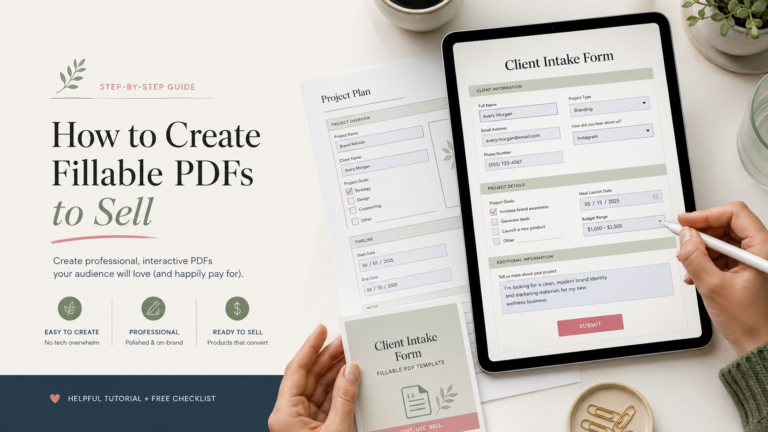
Start by creating a standardized intake form to capture all necessary details, such as event dates, color themes, and personalization text. Once you have the details, send a digital proof for the client to approve. This step prevents costly errors and ensures the final product matches their vision perfectly.
To keep your operations running smoothly, consider using these essential wedding favor business:
- Project Management Boards: Use Trello or Asana to track order status from “pending” to “shipped.”
- Inventory Sheets: Maintain a spreadsheet to monitor your raw materials and avoid last-minute supply shortages.
- Label Printers: Invest in a thermal printer like a Dymo to create professional, smudge-proof shipping labels quickly.
- Customer-Service Templates: Save time by creating pre-written email responses for common questions about shipping or customization.
Quality control is the backbone of your reputation. Before packing any items, perform a final inspection to check for alignment, spelling, and structural integrity. Taking an extra minute to verify your work prevents returns and builds trust with your clients.
When it comes to fulfillment, safety is your top priority. Use sturdy boxes and appropriate padding to ensure your favors arrive in pristine condition. Always record tracking numbers immediately after shipping and send a confirmation email to the customer. Using these wedding favor business allows you to scale your operations without sacrificing the personal touch that makes your brand special.
Common mistakes and business risks
Avoiding mistakes is the best way to protect your hard-earned profits and reputation. While the creative side of the industry is rewarding, operational oversights can quickly drain your bank account. New owners often underestimate the time required for assembly, leading to significant underpricing of their own labor.
Accepting unlimited customization requests is another trap that can derail your production schedule. When you allow clients to change designs repeatedly, you lose control over your workflow and profit margins. It is vital to set clear boundaries regarding what you can and cannot modify for each order.
Operational and financial risks often stem from poor planning. Consider these common pitfalls that new business owners face:
- Inventory mismanagement: Buying excessive supplies before you have confirmed orders leads to wasted capital.
- Missing deadlines: Failing to deliver on time destroys your professional reputation in the wedding industry.
- Skipping proofs: Sending items to print or production without client approval often results in costly errors.
- Fragile packaging: Using inadequate materials causes damage during shipping, leading to refund requests and negative reviews.
Ignoring legal requirements is a serious risk that can lead to unexpected fines or business closure. Always ensure you have the proper permits and that your product labels meet local safety standards. Taking these proactive steps will help you navigate common wedding favor business with confidence.
Protect your brand by implementing a strict quality control process for every shipment. Use sturdy, professional-grade packaging to ensure your products arrive in perfect condition. By focusing on these operational safeguards, you build a reliable foundation for long-term growth.
30-day test launch
A 30-day test launch is the smartest way to validate your wedding favor business. Instead of spending months on planning, this short window allows you to gather real data from actual customers. You will learn what sells and what needs improvement without risking your entire savings.
Following a wedding favor business approach ensures you stay organized during this trial. Spend the first week finalizing your sample collection and taking high-quality photos. Use the second week to list your items on platforms like Etsy or your own website. The final two weeks should focus on social media outreach and gathering honest feedback from potential brides and grooms.
Consistency is key during this month. You must track every inquiry, conversion signal, and fulfillment challenge you encounter. If a specific favor design receives zero interest, do not be afraid to pivot or remove it from your shop. This phase is strictly for learning and refining your craft.
Keep a detailed spreadsheet to monitor your wedding favor business. Tracking your production hours and material expenses helps you understand your true profit margins. Use the table below to keep your progress on track throughout the month.
| Week | Primary Focus | Key Metric to Track |
|---|---|---|
| Week 1 | Sample Creation | Material Expenses |
| Week 2 | Photography & Listings | Listing Views |
| Week 3 | Outreach & Marketing | Customer Inquiries |
| Week 4 | Sales & Feedback | Conversion Rate |
By the end of the 30 days, you will have a clear picture of your business potential. Use this data to decide if you should scale your production or adjust your target audience. Smart testing today prevents costly mistakes tomorrow.
Growth path
Transforming your small hobby into a thriving enterprise happens one strategic step at a time. When you follow a wedding favor business framework, you ensure that your expansion remains sustainable and profitable.
Start by refining your core collection into repeatable systems. Once you master your production workflow, you can introduce higher-value packages that appeal to luxury clients. This approach allows you to increase your profit margins without sacrificing the quality that defines your wedding favor business.
As your order volume grows, consider these strategic milestones to manage your capacity effectively:
- Vendor Partnerships: Collaborate with local wedding planners and venues to secure consistent referrals.
- Seasonal Campaigns: Launch limited-edition collections during peak wedding months to boost revenue.
- Delegated Production: Hire part-time help for assembly tasks once your own time becomes the primary bottleneck.
- Workspace Expansion: Transition to a dedicated studio space only when your home inventory levels impact your daily living quality.
Always prioritize quality control over rapid expansion. By keeping your operations lean and your customer service personal, you protect the reputation of your growing wedding favor business. Steady, intentional growth is the secret to long-term success in this creative industry.
FAQs to answer
Starting a wedding favor business requires careful planning and attention to detail. Many people ask about startup costs, which often remain low if you source materials from suppliers like Uline or Michaels. A successful wedding favor business focuses on high-margin items like custom candles or personalized seed packets.
Legal compliance remains a top priority for every home-based entrepreneur. You must register your business name and check local zoning laws to ensure your workspace meets safety standards. Avoiding mistakes involves keeping your inventory organized and maintaining clear communication regarding shipping timelines.
Pricing your products correctly ensures long-term sustainability. Always account for your labor time, packaging materials, and platform fees when setting your rates. If a client requests a last-minute change, refer to your written contract to manage expectations and protect your profit margins.
Scaling your operation takes time and patience. Start with a small, manageable collection to test market demand before investing in bulk equipment. Your dedication to quality and customer service will build a strong reputation in the wedding industry. Reach out to local event planners to expand your reach and grow your brand today.
FAQ
How much should I expect to pay for startup costs?
What are the best products to sell for a beginner?
Which tools are essential for a home office?
Is it legal to run a wedding favor business out of my house?
How do I determine my pricing?
Why should I implement a minimum order quantity (MOQ)?
What is the best way to handle shipping for fragile wedding favors?
How do I manage personalization to avoid errors?
What should I do if a couple changes their wedding date or guest count?
What are the most mistakes to avoid?
Keep reading on WAHMN
More articles in this category, browse the full article library, or explore our business tools and learning paths.
Large orders at small unit prices punish any pricing mistake. The WAHMN Financial Calculator shows what a favor really earns after materials and hours, and Business Launcher covers quotes, deposits and getting booked.