
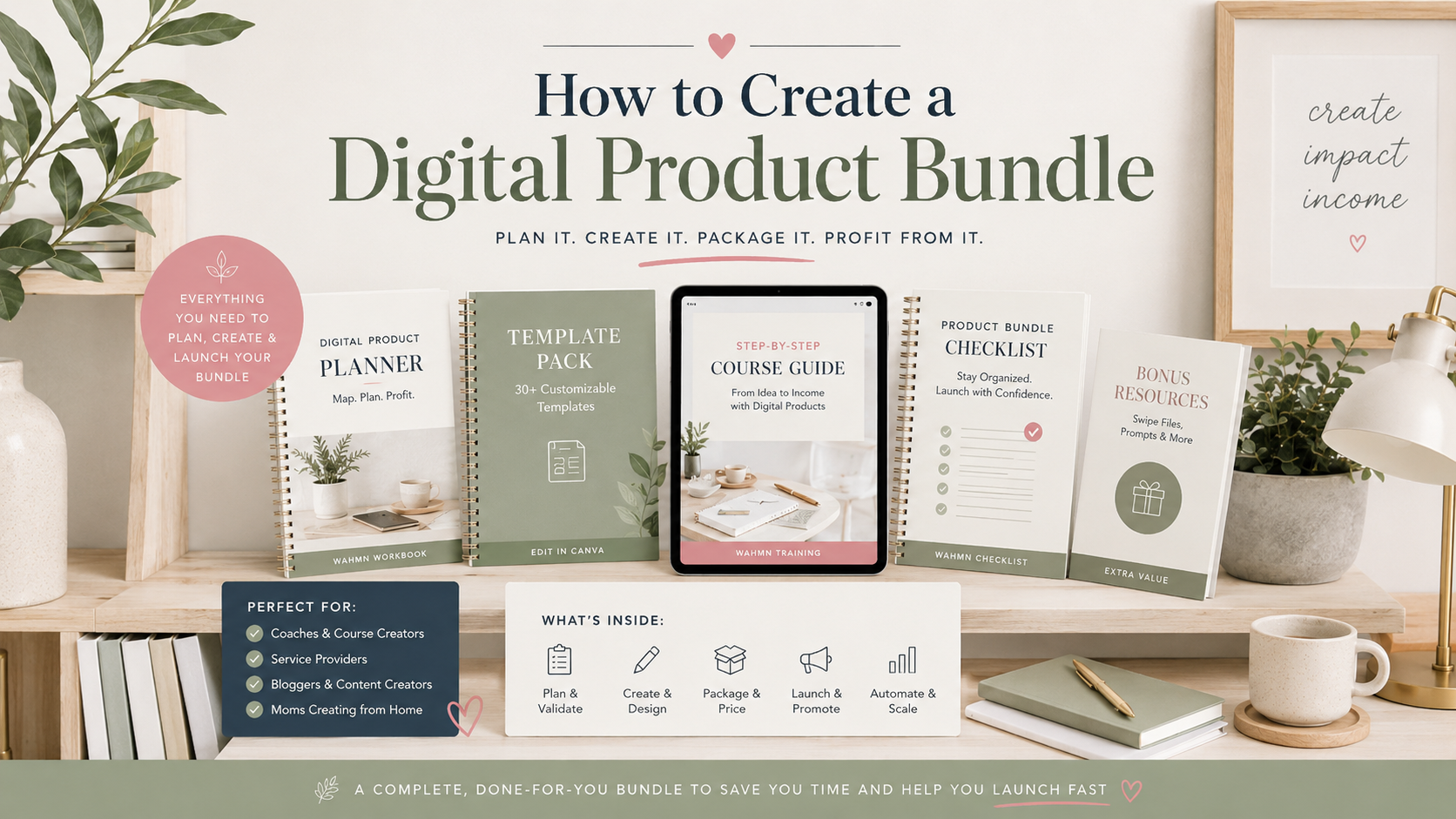
How to Create a Digital Product Bundle
In this article
- Define the Bundle’s Audience, Purpose, and Value
- How to Create a Digital Product Bundle From Existing Products
- Design a Bundle That Feels Complete and Useful
- Package and Deliver the Digital Product Bundle
- Price the Bundle for Profit and Customer Value
- Write Messaging That Makes the Bundle Easy to Buy
- Promote the Bundle Across the Right Channels
- Measure Results and Improve Your Digital Bundle Strategy
- Conclusion
- FAQ
Selling individual items online is a great start, but grouping your best assets offers incredible value for your audience. Learning how to create a digital product bundle allows you to increase your average order value while solving multiple problems for your customers at once.
This process involves more than just throwing files into a folder. You must carefully select items that complement each other, set an attractive price point, and ensure a seamless delivery experience. Strategic packaging turns separate resources into an irresistible offer that shoppers find hard to ignore.
By focusing on your target market’s specific needs, you can build a collection that drives consistent revenue. Whether you sell templates, e-books, or software, this approach helps you stand out in a crowded marketplace. Let’s explore the steps to turn your existing content into a high-converting asset.
Key Takeaways
- Select items that solve related problems for your specific audience.
- Use tiered pricing to make the combined offer look like a bargain.
- Ensure your delivery system provides instant access after purchase.
- Promote your collection through email marketing and social media channels.
- Focus on high-quality assets that provide immediate utility to buyers.
Define the Bundle’s Audience, Purpose, and Value
Strategic digital product bundle creation begins by focusing on the specific problems your audience faces rather than just your current inventory. When you prioritize the user experience, you ensure that every item in your collection serves a clear, helpful purpose. This foundation helps you build trust and authority with your buyers.
Identify a Specific Customer Problem to Solve
The most effective bundles act as a shortcut to a desired outcome. Instead of overwhelming customers with too many files, identify one major pain point they struggle with daily. By grouping resources that address this specific hurdle, you provide immediate relief and value.
Choose a Clear Audience and Buying Occasion
Knowing exactly who you are helping allows you to tailor your messaging effectively. Consider the specific moment when a customer feels the most pressure to solve their problem. Whether it is the start of a new year or a busy project deadline, timing your offer to match these occasions increases conversion rates significantly.
Set a Practical Bundle Goal
Every successful digital product bundle creation project requires a measurable objective. You should decide if your primary aim is to acquire new leads or to maximize revenue from your current base. Setting these goals early helps you determine which products to include and how to price them for maximum impact.
Increase Average Order Value
Bundling is a proven method to encourage customers to spend more than they originally planned. By offering a collection at a slightly higher price point than a single item, you naturally boost your revenue per transaction. This strategy turns small, individual sales into more substantial, profitable orders.
Introduce Related Products to Existing Customers
Your current customers already trust your expertise and quality. Use bundles to introduce them to complementary tools they might have overlooked in the past. This approach provides extra value to your loyal fans while deepening their engagement with your brand.
Create a Complete Solution From Separate Products
Sometimes, individual products feel incomplete on their own. By combining them into a cohesive bundle, you offer a comprehensive solution that saves the customer time and effort. This transformation turns scattered resources into a powerful, all-in-one toolkit that feels much more valuable than the sum of its parts.
How to Create a Digital Product Bundle From Existing Products
Your existing digital library is a goldmine for creating product bundles. Instead of building new content from the ground up, you can leverage the assets you have already perfected to provide more value to your customers.
Audit Your Current Digital Products
Start by listing every digital asset you have published. This includes e-books, templates, video courses, and checklists.
Organize these items into a spreadsheet to see what you have available. Identifying the gaps in your current offerings helps you see which items naturally pair together to solve a specific customer challenge.
Select Products That Work Well Together
Not every product belongs in the same package. Focus on items that share a common theme or help the user reach a specific goal faster.
When creating product bundles, think about the user journey. You want to offer a collection that feels like a complete solution rather than a random assortment of files.
Build a Logical Learning or Usage Sequence
Structure your bundle so the customer knows exactly where to start. A clear path prevents overwhelm and increases the perceived value of your offer.
Core Product
This is the main item that solves the primary problem. It should be the most comprehensive resource in your collection.
Supporting Resources
These items help the user implement the core product. Examples include worksheets, planners, or quick-start guides that reinforce the main concepts.
Bonus Materials
Bonuses provide extra value or speed up results. These might be templates, swipe files, or exclusive video tutorials that go beyond the basics.
| Component Type | Primary Purpose | Example Asset |
|---|---|---|
| Core Product | Main Solution | Comprehensive E-book |
| Supporting Resource | Implementation | Actionable Checklist |
| Bonus Material | Added Value | Exclusive Video Tutorial |
Remove Redundant or Unrelated Items
Less is often more when you are creating product bundles. If an item does not directly contribute to the outcome, remove it to keep the offer clean.
Removing clutter ensures that your customers focus on the most important materials. A streamlined bundle is much easier to sell because the value proposition remains clear and focused.
Design a Bundle That Feels Complete and Useful
Creating a cohesive digital product bundle is an art that transforms individual assets into a premium experience. By applying smart bundle creation tips, you ensure that your customers feel supported from the moment they download their purchase. A well-designed bundle should feel like a comprehensive solution rather than a random collection of files. When buyers keep coming back for more, a library beats a bundle, as creating a membership resource library explains.
Combine Products Around One Specific Outcome
The most successful bundles focus on a single, clear transformation. Instead of grouping unrelated items, select products that guide the user toward one specific goal. This focus helps the customer understand exactly what they will achieve by using your materials.
Balance Product Variety With Customer Simplicity
While variety is important, too many choices can lead to decision fatigue. You want to provide enough value to justify the price without overwhelming the buyer. Keep your offer lean by including only the items that directly contribute to the primary outcome.
Add Complementary Product Packaging Ideas
To make your offer feel substantial, consider adding supporting materials that enhance the core product. These additions provide extra value and help users apply what they have learned more effectively.
Workbooks and Checklists
Workbooks and checklists are excellent for turning passive reading into active learning. They provide a structured way for customers to track their progress and implement your strategies.
Templates and Swipe Files
Templates and swipe files save your customers time by providing a head start on their projects. These tools are highly valued because they offer a practical, “fill-in-the-blank” approach to complex tasks.
Video Tutorials and Audio Lessons
Video and audio content adds a personal touch to your bundle. These formats are perfect for explaining difficult concepts or providing step-by-step demonstrations that text alone cannot convey.
Create a Consistent Customer Experience
A professional presentation builds trust and makes your brand look polished. When your files look like they belong together, the perceived value of your bundle increases significantly.
Use Matching Names, Visuals, and File Formats
Ensure that all your assets share a consistent design language. Use the same color palette, fonts, and naming conventions across all documents to create a unified look.
Organize Files With Clear Folders and Instructions
A messy download folder can frustrate even the most excited customer. Use a logical folder structure and include a “Start Here” document to guide users through the contents of their new bundle.
Add Bonuses Without Diluting the Main Offer
Bonuses should act as a bridge to success rather than a distraction. Use them to solve minor pain points or provide quick wins that complement the main product. These bundle creation tips ensure your bonuses feel like a natural extension of the core value.
| Component Type | Primary Benefit | User Impact |
|---|---|---|
| Workbooks | Active Engagement | High Retention |
| Templates | Time Savings | High Satisfaction |
| Video Lessons | Deep Understanding | High Trust |
| Checklists | Quick Execution | High Efficiency |
Package and Deliver the Digital Product Bundle
A successful digital bundle strategy relies on how well you present and deliver your assets to the buyer. By focusing on a professional delivery experience, you turn a collection of files into a cohesive, high-value solution that customers trust.
Choose a Memorable Bundle Name and Positioning Statement
Your bundle needs a name that clearly communicates its primary benefit. A strong positioning statement should explain exactly how your offer solves a specific pain point for your target audience.
Create a Simple Product Page Structure
The product page is your digital storefront. It must be easy to navigate so that potential buyers understand the value immediately.
State the Transformation and Intended Result
Clearly describe the transformation your customer will experience. Focus on the end result rather than just the features of the files.
List Everything Included in the Bundle
Transparency builds confidence. Use a clear list to show exactly what the customer receives upon purchase:
- Core instructional guides or e-books.
- Templates, checklists, or worksheets.
- Exclusive video tutorials or audio files.
Explain Who Should and Should Not Buy It
Help your customers make an informed decision by defining the ideal user. Honesty here reduces refund requests and ensures your product reaches the right hands.
Prepare Files for Easy Access
Organizing your files is a critical part of your digital bundle strategy. A messy download folder creates frustration, while a clean structure encourages repeat business.
Use Descriptive File Names and Version Numbers
Always use clear, consistent naming conventions for your files. Include version numbers so users know they are working with the most current information.
Include a Start-Here Guide
A simple “Start-Here” PDF acts as a roadmap for your bundle. It should explain how to navigate the folders and where to find the most important resources.
Check Links, Permissions, and Download Limits
Before you launch, test every link to ensure it works perfectly. Verify that your file permissions are set to “read-only” to protect your intellectual property.
Protect Customer Information and Digital Assets
Security is the foundation of a professional digital bundle strategy. You must ensure that both your customer data and your creative work remain safe during the transaction process.
Use Secure Delivery and Payment Tools
Choose reputable platforms like Gumroad, Lemon Squeezy, or Shopify to handle your transactions. These tools provide encrypted delivery and secure payment processing for your peace of mind.
Clarify Personal-Use, Commercial-Use, and Resale Rights
Clearly state the usage rights for your products within the bundle. Whether you allow personal use only or offer commercial licenses, transparency prevents future legal confusion and protects your brand reputation.
Price the Bundle for Profit and Customer Value
Finding the perfect price point for your bundle requires a balance between profit margins and perceived value. When you combine items, your product packaging ideas play a vital role in how customers perceive the total worth of your offer. A professional presentation makes the price feel like a smart investment rather than just a transaction.
Calculate the Individual Value of Every Product
Start by listing the retail price of every item included in your collection. This total represents the anchor value, which serves as the baseline for your discount strategy. Knowing this number helps you demonstrate clear savings to your potential buyers.
Choose a Bundle Discount That Supports Your Goals
Your discount strategy should align with the specific lifecycle stage of your products. Whether you want to reward loyal fans or move older stock, the depth of your discount matters.
Use a Moderate Discount for Premium Products
When bundling high-demand or new items, keep the discount modest, typically between 10% and 20%. This protects your brand reputation and ensures you maintain healthy profit margins. Premium products retain their status when they are not heavily marked down.
Use a Deeper Discount to Clear Older Inventory
If you have older digital assets that are no longer selling well individually, a deeper discount of 40% or more can be very effective. This strategy breathes new life into stagnant files and provides extra value to your customers. Creative product packaging ideas can help frame these older items as a “starter kit” or a “comprehensive archive.”
Compare the Bundle Price With the Cost of Buying Separately
Transparency is key to closing the sale. Customers want to see exactly how much they are saving by choosing the bundle over individual purchases.
| Item | Individual Price | Bundle Value |
|---|---|---|
| Core E-book | $49 | Included |
| Video Course | $99 | Included |
| Template Pack | $29 | Included |
| Total | $177 | $129 |
Account for Fees, Taxes, Refunds, and Support Time
Do not forget to factor in the hidden costs of doing business. You must ensure that your final price covers more than just the creation cost.
- Payment Processing Fees: Platforms like Stripe or PayPal take a percentage of every sale.
- Sales Tax: Digital goods are subject to various tax laws depending on the buyer’s location.
- Refund Buffer: Set aside a small percentage of revenue to account for occasional refund requests.
- Support Overhead: Bundles often lead to more questions, so account for the time spent answering emails.
Test Tiered Pricing and Limited-Time Offers Carefully
Experimenting with different pricing models can reveal what your audience values most. You might offer a “Basic” bundle and a “Pro” bundle to capture different segments of your market. Limited-time offers create urgency, but use them sparingly to avoid devaluing your work over the long term.
Write Messaging That Makes the Bundle Easy to Buy
Great copy turns a collection of files into an irresistible solution for your audience. When you focus on the transformation your customer experiences, you make the decision to purchase much easier. Effective digital product bundling relies on clear communication that highlights the total value of your offer.
Lead With the Customer’s Desired Outcome
Start your sales page by speaking directly to the result your customer wants to achieve. Instead of listing file names, describe the transformation they will undergo after using your tools. This approach keeps the focus on their success rather than just the technical specifications of your files.
Show the Bundle’s Contents and Combined Value
Transparency builds trust with potential buyers. Clearly list every item included in the package so customers know exactly what they are getting. Using a comparison table helps demonstrate the financial advantage of choosing the bundle over individual purchases.
| Product Name | Individual Price | Bundle Status |
|---|---|---|
| Core E-book | $29 | Included |
| Template Pack | $49 | Included |
| Video Workshop | $99 | Included |
| Total Value | $177 | $97 |
Explain Why the Products Work Better Together
Customers often wonder if they really need everything in a set. You must articulate the synergy between your assets to justify the digital product bundling strategy. Explain how the combination creates a faster or more complete path to their goals.
Use Specific Benefits Instead of Vague Claims
Avoid generic phrases like “all-in-one solution.” Instead, highlight specific outcomes, such as “save five hours of design time” or “eliminate the need for external software.” Specificity helps the buyer visualize the immediate impact on their daily workflow.
Connect Each Feature to a Customer Use Case
Every feature should solve a specific pain point. If you include a spreadsheet template, explain that it helps them track expenses without needing advanced accounting knowledge. Linking features to real-world tasks makes your offer feel practical and essential.
Address Common Purchase Objections
Anticipating hesitation is a key part of high-converting copy. By addressing concerns upfront, you remove the friction that prevents a sale. This proactive approach is vital for successful digital product bundling.
Existing Customers Who Already Own Some Items
Acknowledge that some buyers might already own a portion of the bundle. Offer a simple way for them to upgrade or provide a discount code for the missing pieces. This shows you value their loyalty and prevents them from feeling penalized for past purchases.
Customers Unsure Where to Start
New users often feel overwhelmed by too many files. Include a “Start Here” guide or a suggested roadmap that outlines the order in which they should use the products. Providing a clear path reduces anxiety and increases confidence in their purchase.
Customers Concerned About Digital File Access
Clearly explain the delivery process to put minds at ease. Mention that they will receive instant access via email and that files are compatible with standard devices. Reassuring them about the technical side of digital product bundling removes the final barrier to entry.
Add Testimonials, Previews, and Demonstrations
Social proof is the final piece of the puzzle. Include testimonials from users who achieved success using the combined resources. Additionally, offer a video preview or a sample download so customers can see the quality of your work before they commit.
Promote the Bundle Across the Right Channels
Effective bundle creation tactics rely on a well-coordinated promotional plan across multiple digital channels. By leveraging your existing assets and community, you can turn a collection of products into a high-converting offer.
Launch the Bundle to Your Existing Audience First
Your current subscribers are your most valuable asset because they already trust your brand. Start by giving them exclusive early access or a special introductory price to reward their loyalty.
Create Email Campaigns for Different Customer Segments
Segmenting your email list ensures that your message resonates with the specific needs of each reader. Tailored communication increases engagement and drives higher conversion rates.
Announcement Email for the Full List
Send a broad announcement to your entire list to generate excitement. Clearly highlight the total value of the bundle and the specific problem it solves for your audience.
Upgrade Offer for Existing Customers
Reach out to customers who have already purchased individual items included in the bundle. Offer them a discounted path to upgrade, allowing them to complete their collection without paying full price again.
Reminder Email Before a Promotion Ends
Create urgency by sending a final reminder as the offer deadline approaches. This bundle creation tactics approach helps nudge fence-sitters who need a final reason to commit.
Use Social Content to Demonstrate the Bundle
Visual proof is essential when selling digital goods. Use social media to show exactly what is inside the package and how it functions in real-world scenarios.
Product Walkthroughs
Record a short video screen-share showing the contents of your bundle. Seeing the files and tools in action builds confidence and reduces purchase hesitation.
Before-and-After Customer Scenarios
Share stories or case studies that illustrate the transformation your bundle provides. Focus on the tangible results a user can expect after applying your resources.
Short Tips From the Included Resources
Post bite-sized advice derived directly from your bundle materials. This provides immediate value to your followers while showcasing the quality of your work.
Coordinate Sales Channels and Promotional Timing
Consistency across your website, social media, and email is vital for success. Ensure that your messaging remains uniform so that customers receive a clear, professional experience regardless of where they find you.
Use Affiliates, Partnerships, and Creator Collaborations
Expand your reach by working with others who serve your target market. Affiliates and partners can introduce your bundle to new audiences, providing social proof through their endorsement.
| Channel | Primary Goal | Best Practice |
|---|---|---|
| Email List | Conversion | Segment by interest |
| Social Media | Awareness | Use video demos |
| Partnerships | New Reach | Offer affiliate commission |
| Website | Final Sale | Clear call-to-action |
Measure Results and Improve Your Digital Bundle Strategy
Creating profitable product bundles requires a commitment to ongoing measurement and adjustment. While the initial launch generates excitement, the long-term health of your offer depends on how well you interpret real-world data. By monitoring specific performance indicators, you can make informed decisions that increase your overall revenue.
Track the Metrics That Reveal Bundle Performance
To understand if your strategy is working, you must look beyond simple sales numbers. Focusing on granular data helps you pinpoint exactly where your offer succeeds and where it might need a slight tweak.
Bundle Conversion Rate
This metric shows the percentage of visitors who purchase your bundle after viewing the landing page. A low conversion rate often suggests that your messaging or pricing does not align with the needs of your target audience.
Average Order Value
By tracking the Average Order Value (AOV), you can see if the bundle successfully encourages customers to spend more than they would on a single item. A high AOV indicates that your grouping strategy effectively increases the perceived value of the purchase.
Revenue per Visitor
This figure helps you understand the total earning potential of your traffic. It combines conversion rates and order values to show how much each person who lands on your page is worth to your business.
Refunds, Support Requests, and Completion Rates
High refund rates or frequent support tickets often signal that the bundle contents are confusing or do not meet expectations. Conversely, tracking completion rates, how many buyers actually use the products, reveals if your bundle provides genuine utility.
“What gets measured gets managed.”
Collect Feedback From Buyers
Quantitative data tells you what is happening, but qualitative feedback tells you why. Send follow-up emails to recent buyers to ask about their experience with the bundle. Their direct input often highlights hidden pain points that numbers alone cannot reveal.
Identify Products Customers Use Most and Least
Not every item in your bundle will be a hit. Review your analytics to see which specific files or modules receive the most engagement. You might find that one specific product is the primary driver of your sales, while others remain untouched.
Test Pricing, Positioning, and Bundle Contents
Never be afraid to experiment with your offer. You can test different price points or change the order of your product descriptions to see how it impacts your conversion rate. Small, data-driven changes often lead to significant improvements in your bottom line.
Refresh the Offer Without Creating Confusion
Over time, you may want to swap out older products for newer, more relevant content. When you update your bundle, ensure the transition remains smooth for existing customers. Clear communication is essential when creating profitable product bundles to ensure your audience understands the added value of your latest version.
Conclusion
Creating a successful digital product bundle requires a clear vision and a commitment to solving real problems for your audience. You now possess a complete roadmap to transform your existing assets into a high-value offer that resonates with your customers.
Start by auditing your current library to identify items that work well together. Focus on the specific outcomes your buyers want to achieve. When you package these resources with a clear purpose, you provide immense value that stands out in a crowded marketplace.
Pricing your bundle correctly ensures you remain profitable while giving your audience a great deal. Use the strategies outlined here to set your price points and craft messaging that highlights the benefits of your combined products. Clear communication helps potential buyers understand why your bundle is the right choice for their needs.
Launch your offer across your preferred channels to reach your target audience effectively. Monitor your performance metrics to see what works best for your brand. Gather feedback from your users to refine your approach over time.
Your journey toward building a sustainable digital business starts with these practical steps. Take action today to organize your products and share your expertise with the world. Your audience is waiting for the solutions you provide.
FAQ
How can I start the process of digital product bundle creation using my existing assets?
What are the most effective product packaging ideas for a digital bundle?
How do I determine the right digital bundle strategy for pricing?
What are some essential bundle creation tips for handling customer objections?
Which bundle creation tactics work best for a successful launch?
How do I ensure secure delivery when learning how to create a digital product bundle?
What metrics should I track to improve my strategy for creating product bundles?
Keep reading on WAHMN
More articles in this category, browse the full article library, or explore our business tools and learning paths.
Bundles sell to people who already trust you. Email Marketing Business covers building that list, and Business Launcher covers pricing and launching the bundle itself.